

Texas Data Centers Forced to Build Own Power as Grid Queue Strains
Found this article helpful?
Share it with your network and spread the knowledge!
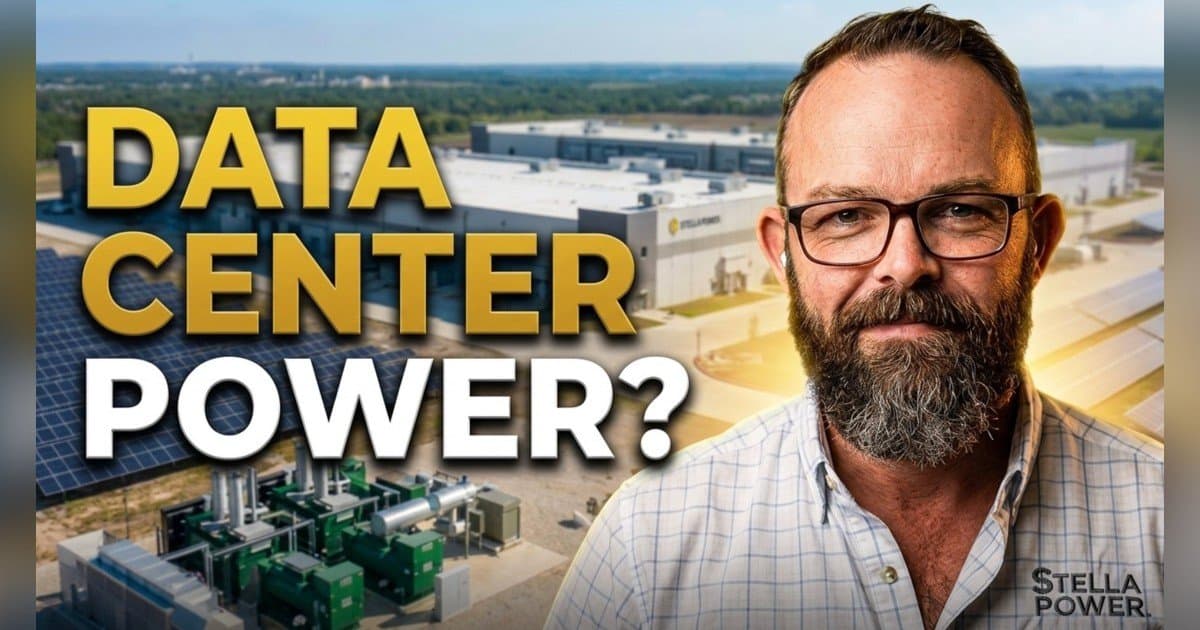
The latest episode of The Building Texas Show, hosted by Justin McKenzie, tackles one of the most pressing infrastructure challenges in Texas: the need for data centers to generate their own power. With ERCOT reporting more than 300,000 megawatts in its interconnection queue by 2032—roughly four times the grid's current 85-gigawatt peak load—the traditional reliance on the grid is no longer viable. Nash Whitney of Stella Power Company joins McKenzie to explain why behind-the-meter generation is becoming the only practical solution for large-scale power users.
Behind-the-meter power refers to electricity generated on-site, bypassing the grid. This approach is gaining traction as utilities demand non-refundable deposits in the hundreds of millions of dollars for substation buildouts, with no guaranteed timeline. Whitney notes that these conditions are pushing hyperscalers like Microsoft, Amazon, Meta, and Google to build their own natural gas power plants. The episode highlights that even reshuffling manufacturers face the same constrained grid, making on-site generation a critical strategy for any large-load operation.
The policy landscape is also shifting. Texas Senate Bill 6, signed by Governor Abbott, has expanded large-load rules to cover both power and water, reflecting the growing impact of data centers on state resources. Whitney and McKenzie discuss how these regulations, combined with ERCOT's energy-only market, send price signals that incentivize investment in on-site generation. They also reference Winter Storm Uri as a stark reminder of grid vulnerability, with on-site generation serving as a hedge against real-time price spikes.
Whitney, backed by Arroyo Energy Investment Partners in Spring, Texas, emphasizes that Stella Power Company develops, designs, owns, and operates natural gas plants long-term. The company's sister firm, Mesa, manufactures generators in Loveland, Cheyenne, Wyoming, and San Antonio. Whitney credits diesel's energy density for backup roles but argues that Texas natural gas from the Marcellus and Bakken formations is the scalable answer for large-scale needs. He even suggests that Caterpillar remains sold out of backup units, underscoring the high demand for on-site power solutions.
The episode, recorded in San Antonio and published August 6, 2026, comes as Medina County residents brace for six new data centers. This local impact illustrates the broader trend: as data centers proliferate, they cannot rely solely on the grid. McKenzie, drawing on his utility background at Bandera, recalls the crypto boom's lesson: "We wouldn't touch it unless they prepaid for everything." That principle now applies to all large loads, which must carry their own cost.
For Texans, the implications are significant. Whitney advises residents to download the ERCOT app and be good grid citizens, suggesting that individual actions will matter as the grid faces unprecedented strain. The shift to behind-the-meter generation could reshape the state's energy landscape, with data centers becoming both producers and consumers of power. This episode of The Building Texas Show offers a candid look at the forces driving this transformation, from market signals to policy changes, and why the future of Texas data centers may lie off the grid.