

Damon Braces Offer a Less Invasive Orthodontic Option for Texas Patients
Found this article helpful?
Share it with your network and spread the knowledge!
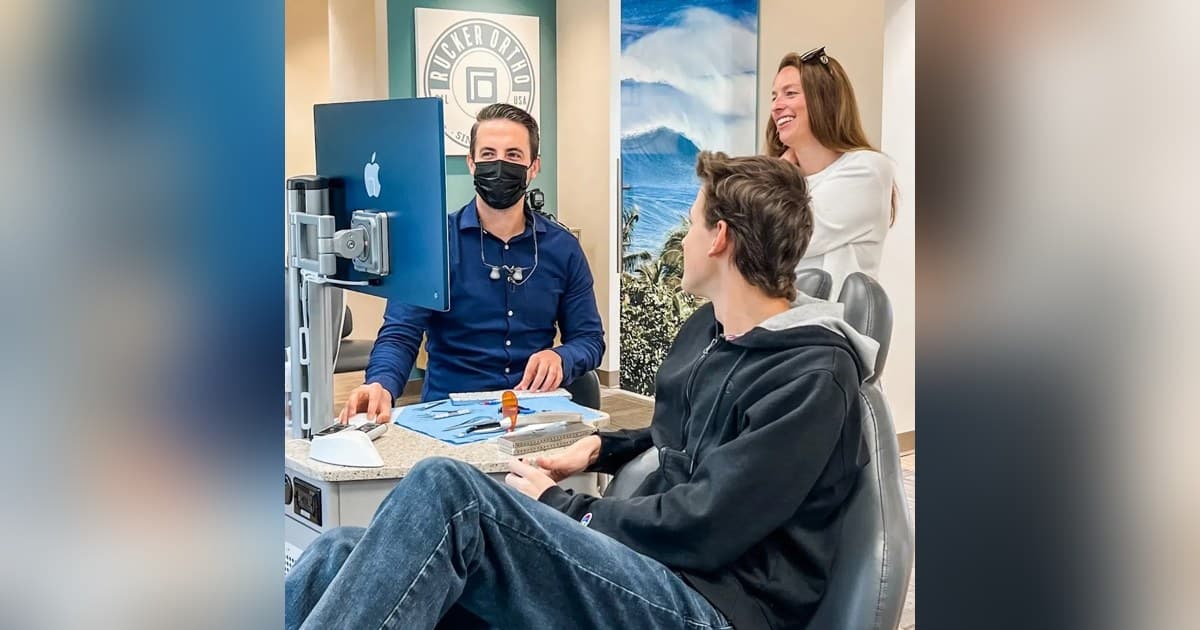
For Texas businesses and families navigating orthodontic care, a practice model gaining attention in Southwest Riverside County, California, illustrates a treatment philosophy that could shape industry standards. Rucker Orthodontics, a certified Damon System provider with offices in Temecula and Murrieta, offers self-ligating Damon braces for children, teens, and adults, emphasizing a tie-less bracket design that differs from conventional braces.
The Damon System replaces elastic or metal ties with a slide-door bracket that holds the archwire without ties, reducing friction and plaque accumulation. Rucker Orthodontics pairs these brackets with high-technology archwires engineered to respond to natural forces of the mouth, a combination designed to work with jaw and facial structure rather than against it. This approach supports the practice's goal of avoiding unnecessary tooth extractions where clinically possible, reflecting a broader shift toward preserving natural dentition.
For Texas orthodontic practices and dental suppliers, the emphasis on self-ligating technology and tooth-preservation strategies signals potential demand for advanced bracket systems and training. The Damon System's availability for all age groups, including adults seeking braces in Murrieta, CA, underscores a growing adult market. Lower-profile brackets address aesthetic concerns, which could encourage more adults to pursue treatment and expand patient volumes for providers adopting similar technologies.
Rucker Orthodontics also offers free consultations at both locations, a model that reduces barriers to entry and supports informed decision-making. During these appointments, the team reviews dental and facial structure, discusses clinical goals, and outlines treatment timelines. For families with children, the consultation addresses timing of intervention, helping determine whether braces are appropriate immediately or whether a watch-and-wait approach is developmentally better. This patient-centered approach could serve as a blueprint for Texas practices looking to improve conversion and satisfaction.
As a certified Damon System provider, Rucker Orthodontics has met specific training and clinical standards, a designation that may influence referral networks and insurance preferences. The practice operates two offices to serve the broader community, with images of its work available at this link and this link, showcasing the aesthetic outcomes of Damon brackets.
For Texas, where a growing population drives demand for healthcare services, the adoption of Damon braces by practices could enhance competitive positioning. The technology's focus on fewer adjustments and potentially greater comfort may appeal to busy professionals and families, while the extraction-avoidance philosophy aligns with value-based care trends. As orthodontic practices in Texas evaluate equipment and training investments, Rucker Orthodontics' model offers a case study in how certified provider status and patient education can differentiate a practice in a crowded market.