

44 Billion Emails Reveal Holiday Shopping Extends Beyond BFCM, with Weekends Twice as Strong
Found this article helpful?
Share it with your network and spread the knowledge!
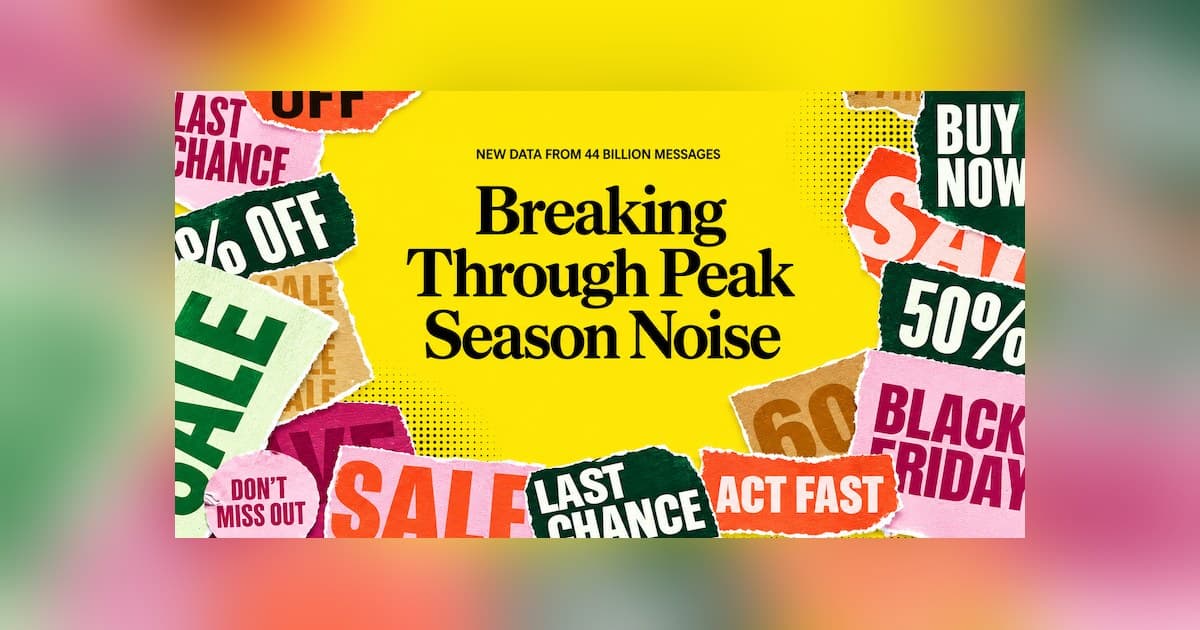
Holiday shopping is not confined to Black Friday and Cyber Monday (BFCM), according to new research from Intuit Mailchimp. An analysis of more than 44 billion emails and 83 million text messages sent globally through Mailchimp from Halloween through New Year’s Eve 2025 reveals that consumer activity remains strong well beyond the biggest promotional days. The findings, developed with Datalily and detailed in Mailchimp’s Breaking Through Peak Season Noise report, offer critical insights for Texas businesses planning their holiday marketing strategies.
One of the most striking findings is that weekend order rates were twice weekday rates, even as brands sent roughly 60% fewer messages on weekends. On the Sunday between Black Friday and Cyber Monday, brands sent 59% fewer emails and 82% fewer text messages than on Black Friday. Yet shopping activity remained high, suggesting that consumers continue to buy even when promotional messaging slows. For Texas retailers, this means that scaling back communications on weekends may not hurt sales—and could even align with when shoppers are most ready to purchase.
The research also highlights the growing power of text messaging during peak periods. While email remained the larger revenue driver overall, SMS generated significantly higher engagement. During BFCM weekend, SMS averaged a 15.7% click rate per message delivered, compared with 1.4% for email. At peak points, SMS produced up to six times higher order rates and three times higher revenue per message than email. This suggests that businesses should consider integrating SMS into their marketing mix to capture attention during high-intent shopping moments.
First-time customers proved especially valuable. During BFCM weekend, shoppers making their first purchase from a brand accounted for 59% of email-attributed orders and nearly 70% of SMS-attributed orders. Moreover, their average order values were higher: 21% higher through email and 39% higher through SMS compared with repeat buyers. For Texas companies, holiday promotions represent a prime opportunity to acquire new customers who are willing to spend more.
Retention also matters. Among first-time shoppers during peak season, 16.6% made another purchase in the first quarter of 2026, with a median gap of 26 days between purchases. This underscores the importance of post-holiday engagement to turn new buyers into loyal customers.
These patterns, first reported by (NewsUSA), have broad implications for Texas businesses. As the state’s retail sector continues to grow, understanding when and how consumers shop can help companies optimize their marketing spend, improve customer acquisition, and build lasting relationships. The holiday season is not just a sprint—it is a marathon that extends into the new year.