

Texas State Professor's AI Tool and Course Aim to Make Interiors More Cognitively Accessible
Found this article helpful?
Share it with your network and spread the knowledge!
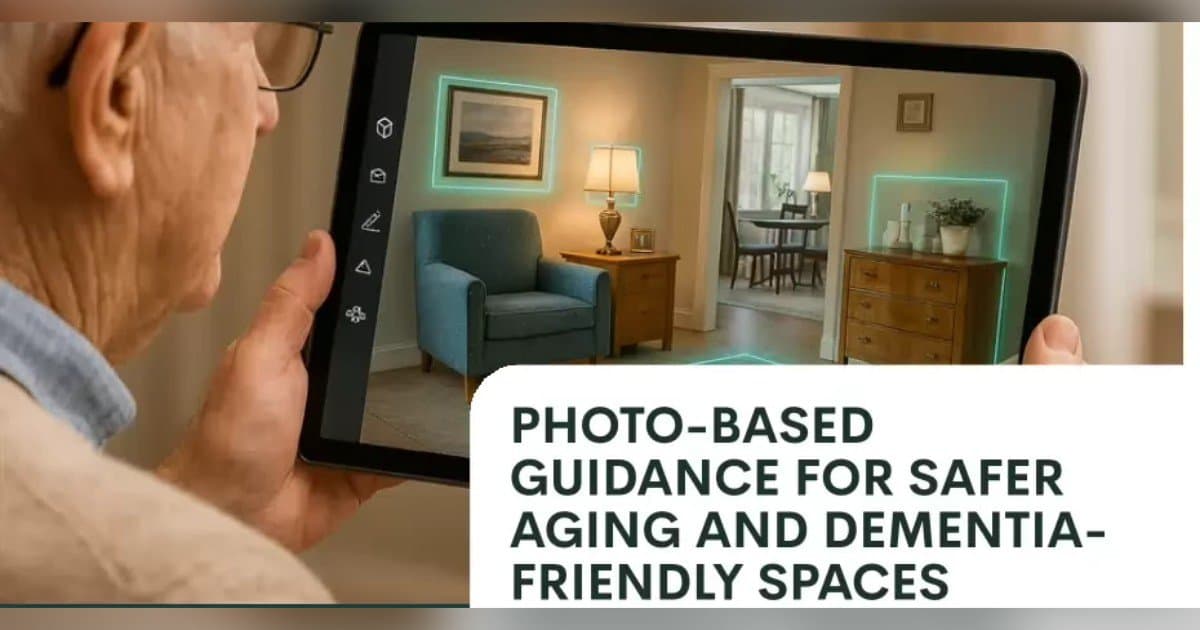
As the population ages, the need for environments that support cognitive function is becoming increasingly critical. Assistant Professor Nadim Adi, PhD, from Texas State University's Department of Interior Design, is addressing this need through research, a pioneering course, and the development of NuroNest, an AI tool designed to identify environmental risks in interiors for people with dementia and age-related cognitive changes.
NuroNest analyzes images of interior spaces and flags features that may hinder navigation or safety, such as low contrast between furniture and walls, unclear pathways, visual clutter, and weak wayfinding cues. Rooted in over a decade of research in dementia-supportive design, the tool aims to make specialized design knowledge more accessible to families, caregivers, and organizations that sense a space 'doesn't feel right' but lack access to experts. Dr. Adi emphasizes that the built environment can play a crucial role in care, stating, 'If we design for physical accessibility, why should we not also design for cognitive accessibility?'
The tool is still in early stages, with the team refining the technology and seeking research validation and partnerships. It is intended to support, not replace, designers, healthcare professionals, and therapists. This initiative is complemented by Adi's academic work, including co-authoring the textbook 'An Introduction to Architectural Psychopathology' with Dr. Mais Aljunaidy, and developing Texas State's interdisciplinary architectural psychopathology course, offered starting fall 2025. The course trains students to design spaces that support individuals with conditions like autism, dementia, and anxiety disorders.
Adi's peer-reviewed research includes a systematic study on architecture and mental disorders, and work on using virtual reality to assess hospital design for elderly patients. He has also given a TEDx talk on preparing buildings for an aging population and hosts conversations on design and mental health through Mental Design Labs.
The implications of this work are significant. By integrating cognitive accessibility into design, NuroNest could help prevent injuries, reduce confusion, and improve the quality of life for millions. It also empowers families and caregivers with practical tools to modify homes, potentially delaying institutional care. For the design industry, this represents a shift toward more inclusive practices, and for Texas, it positions the state as a leader in this emerging field.
Dr. Adi and his team are actively seeking collaborators, including senior living providers, healthcare organizations, and researchers, to validate and advance the technology. As the project evolves, it holds promise not only for Texas but for a global population facing the challenges of cognitive decline.