

Pre-K Programs: Building Social-Emotional Skills for Kindergarten Success
Found this article helpful?
Share it with your network and spread the knowledge!
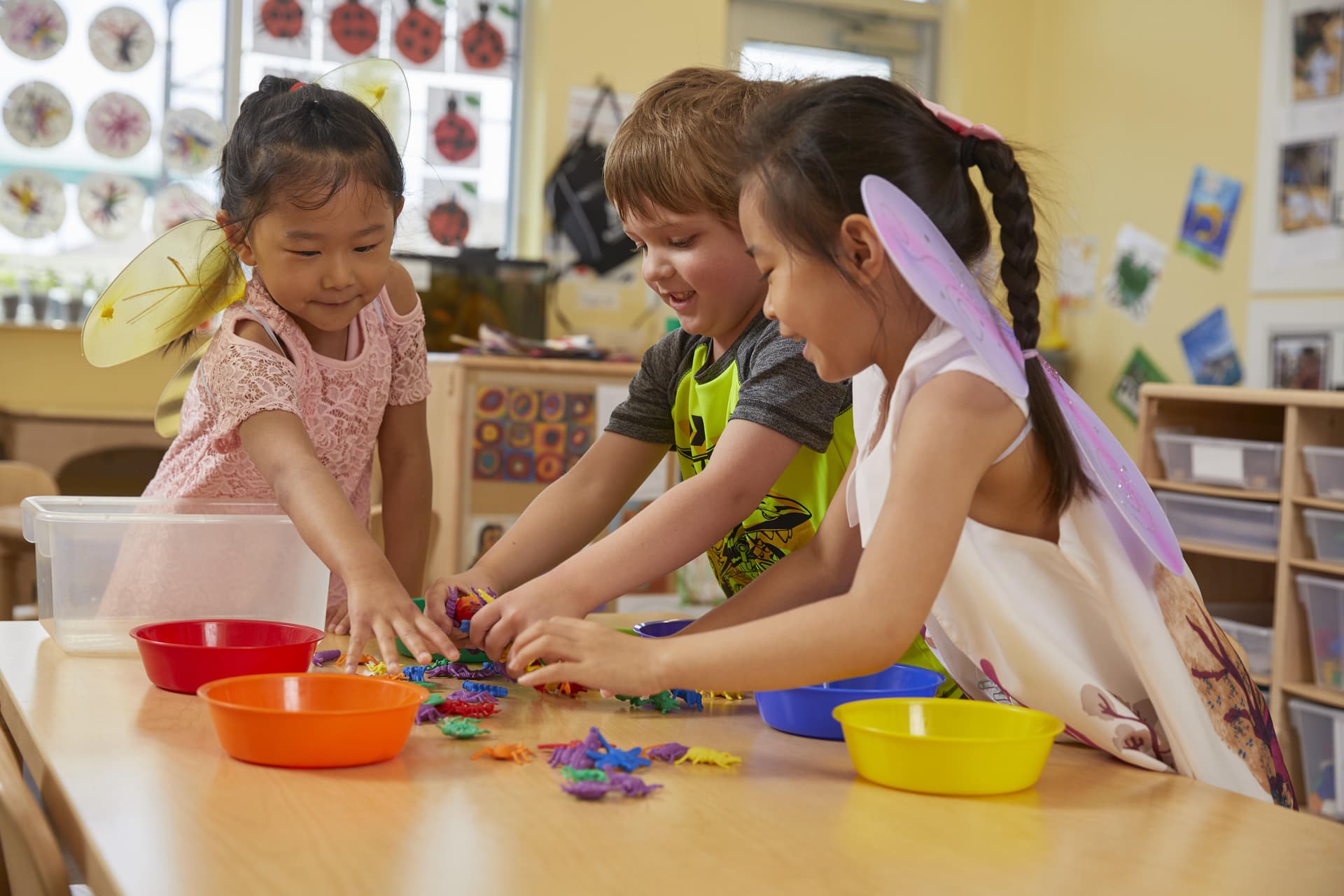
As parents consider pre-K options, many focus on teaching letters, numbers, and writing names. However, educators stress that social-emotional and executive function skills developed before elementary school are equally crucial for kindergarten readiness. High-quality pre-K programs, like those at KinderCare Learning Centers, intentionally foster these skills through daily routines and guided play, setting children up for success in school and beyond.
Dr. Lisa Grant, vice president of KinderCare Learning Companies' Education Programs, explains, "One of the biggest surprises for parents is that being ready for kindergarten isn't just about what children know. It's about how they learn." A child may know their ABCs, but they also need to join a group, follow directions, and handle disagreements. These everyday skills help children feel confident, participate, and maximize learning opportunities.
Sharing is one of the foundational skills taught in pre-K. Young children often view sharing as giving something away permanently. Dr. Grant notes, "To a four-year-old an object shared is a thing that’s given away, never to return." Pre-K teachers help children understand the value of sharing, preparing them for collective ownership of classroom materials and library books in elementary school.
Taking turns is another vital skill. Whether raising a hand to speak or waiting for a swing, turn-taking prevents chaos and allows everyone to learn. Mastering this in pre-K helps children function within a group, creating an optimal learning environment.
Conflict resolution is also a key component. It's not just about stopping arguments but developing self-control to calm down and think creatively for solutions. Dr. Grant says, "That leads to problem-solving, which is a skill that can be applied to so much more than figuring out who gets to play with a toy."
Independence is equally important. Learning to manage personal responsibilities, follow multi-step directions, and make choices builds confidence and self-reliance. These skills ease the transition to kindergarten, where children must navigate new routines and expectations.
KinderCare's approach integrates these social-emotional skills with academics. Through guided play, collaborative activities, and teacher support, children practice sharing, turn-taking, conflict resolution, and independence while building literacy, math, and science knowledge. This holistic preparation ensures children are ready for the social and academic demands of school.
The implications of this focus are significant. By prioritizing social-emotional development, pre-K programs like KinderCare help children become confident learners, helpful classmates, and strong problem-solvers. These skills not only smooth the transition to kindergarten but also lay the groundwork for lifelong success. Families seeking a pre-K that supports both academic and life skills can learn more about KinderCare's programs at KinderCare.com.