

In Austin’s Mueller Neighborhood, Sellers Who Skip Cosmetic Prep Are Paying the Price
Found this article helpful?
Share it with your network and spread the knowledge!
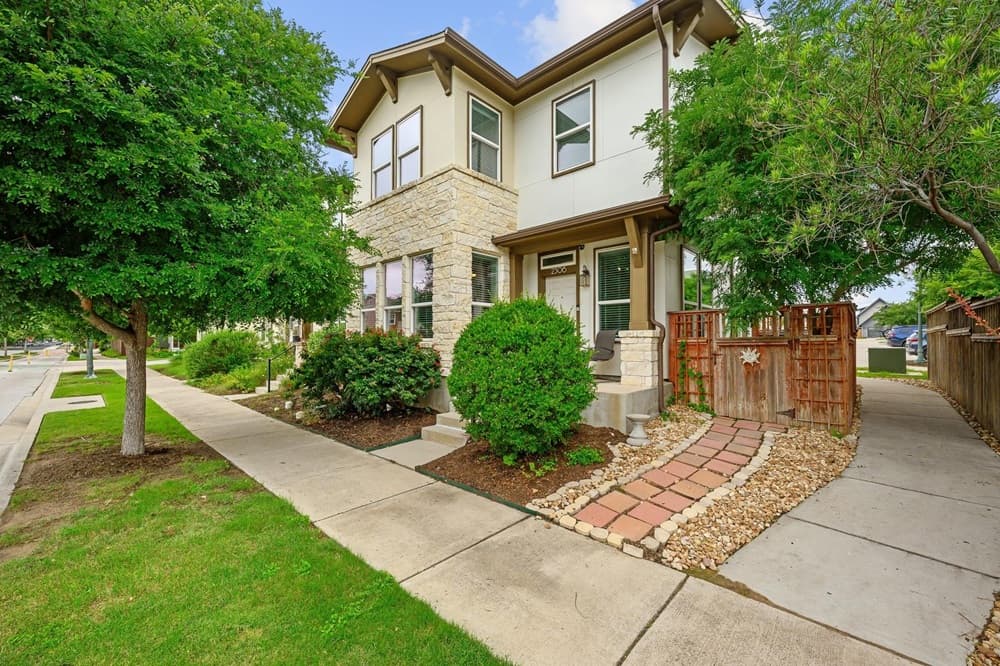
In Austin’s Mueller neighborhood, the return to a more balanced housing market has shifted leverage to buyers, making cosmetic preparation a decisive factor in sale price and speed. According to Kathy Sokolic, a real estate professional with Mueller Residential Group who lives in the area, sellers who skip inexpensive improvements are sitting on the market longer and fielding more concession requests.
“Buyers are picky right now,” Sokolic says. “If your home does have tired finishes, there’s not as much of a market for that. They’ll go find something else.” This marks a measurable departure from 2021 and 2022, when low inventory and intense competition pushed buyers to overlook cosmetic issues. The market has returned to something closer to pre-pandemic norms, more balanced and tilted slightly toward buyers.
The improvements that move homes quickly are often inexpensive. Fresh neutral paint, professional window cleaning, deep carpet cleaning, updated light fixtures, and refreshed cabinet hardware all cost relatively little but disproportionately affect buyer perception. Painting kitchen cabinets, adding a backsplash, and replacing an outdated ceiling fan can shift a home from feeling dated to move-in ready. Sokolic estimates that basic cosmetic work can yield as much as $20,000 extra on the sale. “Do you know what’s going to cost you more than $200? Sitting on this house for 60 days longer than you wanted to,” she says.
In Mueller, the make-ready calculus is shaped by the neighborhood’s housing stock. Many townhomes are interior units with windows only on the front and back, limiting natural light. In these homes, clean windows, warm supplemental lighting, and bright fixtures are functional selling requirements. A dark, dated interior in a townhome with limited window exposure is a particularly difficult sell when buyers have alternatives.
Beyond days on market, cosmetic condition directly affects negotiating leverage. Buyers are using concessions to buy down interest rates, fund major repairs, or address cosmetic issues. The less prepared a home is, the more concession exposure a seller faces. Sokolic describes a hierarchy: well-prepared single-family homes sit at the top; attached townhomes or condos in good condition in the middle; and dated, unprepared homes at the bottom, where bargain-seeking buyers set the terms.
Deferred maintenance also surfaces as a concession issue. Sokolic recounts a listing where every showing produced the same feedback about an aging air conditioning system. Regardless of pricing, the issue became a concession request from every buyer. Known mechanical problems do not stay hidden; they become negotiating leverage.
Sokolic’s process with sellers begins well before a home hits the market. She provides make-ready recommendations, connects sellers with contractors, and advises on which improvements offer the best return. Mueller Residential Group operates within the Compass brokerage, which provides national marketing reach while preserving deep local knowledge. Other agents and brokerages in the Austin market offer similar services, but Sokolic emphasizes the neighborhood-specific expertise that comes from living and working exclusively in Mueller.
As Austin’s market continues to normalize, the gap between prepared and unprepared listings is widening. Sellers who invest in cosmetic readiness are more likely to attract competitive offers and maintain pricing power. Those who don’t face extended time on market, multiple concession requests, and final sale prices below what modest upfront spending could have secured. In a balanced market where buyers have choices, presentation determines who controls the negotiation.