

Find Self Storage Helps Texas Movers Navigate Flexible Rental Terms
Found this article helpful?
Share it with your network and spread the knowledge!
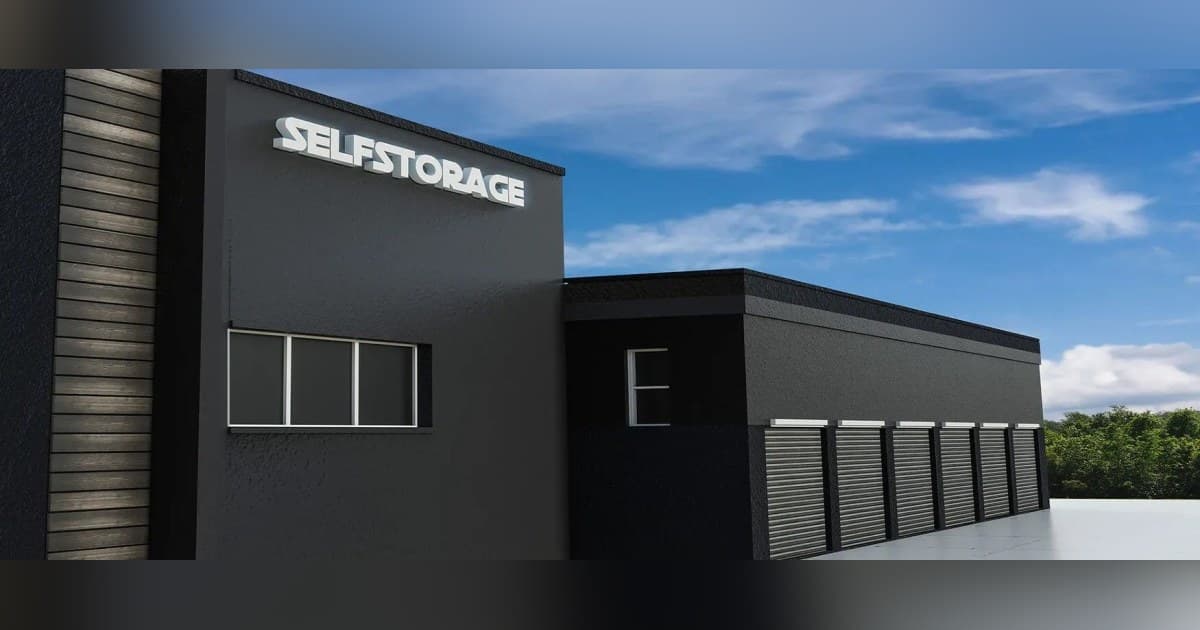
Moving timelines in Texas often shift without warning, driven by delayed closings, remote work relocations, and evolving housing arrangements. For renters and homeowners in the middle of a transition, access flexibility has become a central consideration when selecting a storage facility. Find Self Storage, a platform that helps renters compare storage facilities nationwide, is responding to that demand by giving consumers tools to identify options that align with their schedules and moving plans.
Through Find Self Storage, renters can browse facilities, review access hours, and reserve storage space that fits their specific timeline. Flexible access has emerged as one of the primary factors renters consider when evaluating storage options, according to the company. That shift matters for Texas, where rapid population growth and a mobile workforce create constant demand for short-term storage solutions. Delayed closings, remote work relocations, and changing housing arrangements often leave renters needing storage they can access on their own terms. Flexible storage access supports renters who need to load or unload outside standard business hours, visit a unit multiple times during a phased move, coordinate storage around work shifts, or retrieve items on short notice during a housing transition. Many renters begin their search by looking for storage units near them with access hours and rental terms that match their individual needs.
Storage facilities continue to adapt to the demands of renters who prioritize flexibility. Several features stand out as particularly practical: 24-hour access for renters with non-traditional schedules, month-to-month rentals that adjust as timelines change, online reservation tools that speed up the booking process, drive-up units that make loading and unloading more manageable, and gate access systems that provide secure entry at any hour. These features frequently factor into how renters evaluate and compare storage facilities before committing to a reservation. For Texas businesses that rely on moving and logistics, such flexibility can reduce downtime and support a more efficient relocation process.
Selecting the appropriate unit size is another key element of move planning. Find Self Storage provides guidance to help renters estimate the space they may require. A 5 x 5 storage unit is commonly used for boxes, seasonal items, and smaller furniture pieces during a move. A 5 x 10 storage unit can typically hold the contents of a small bedroom or studio apartment, including several boxes and furniture items. For renters storing the contents of a one-bedroom apartment, a 5 x 15 storage unit offers additional room for furniture, appliances, and multiple boxes. Larger households may require 10 x 10 storage units, which can accommodate belongings from a one-bedroom or small two-bedroom home. For more substantial moves, renters may consider 10 x 15, 10 x 20, 10 x 25, or 10 x 30 storage units, which can hold the contents of multi-bedroom homes, large furniture pieces, and appliances.
Amenities that enable flexibility include 24-hour storage units, which allow renters to visit their unit outside of standard business hours, often practical during a demanding move. Climate-controlled storage units provide additional protection for belongings during longer or phased moves where items may remain in storage for extended periods. For renters storing vehicles, boats, or recreational equipment during a transition, car storage units offer dedicated space for larger items that may not fit at a new residence right away.
By allowing renters to compare facilities, amenities, and unit sizes in one place, Find Self Storage simplifies the process of locating flexible storage during a move. With thousands of facilities listed across the country, the platform helps renters quickly identify storage units that fit their schedule and moving timeline. For Texas, where migration and business relocation remain economic drivers, month-to-month storage comparisons can ease the friction of moving and support a more adaptable workforce.