

Agtonomy Enhances Autonomous Platform with Expanded Data Capabilities and Multi-Point Turning
Found this article helpful?
Share it with your network and spread the knowledge!
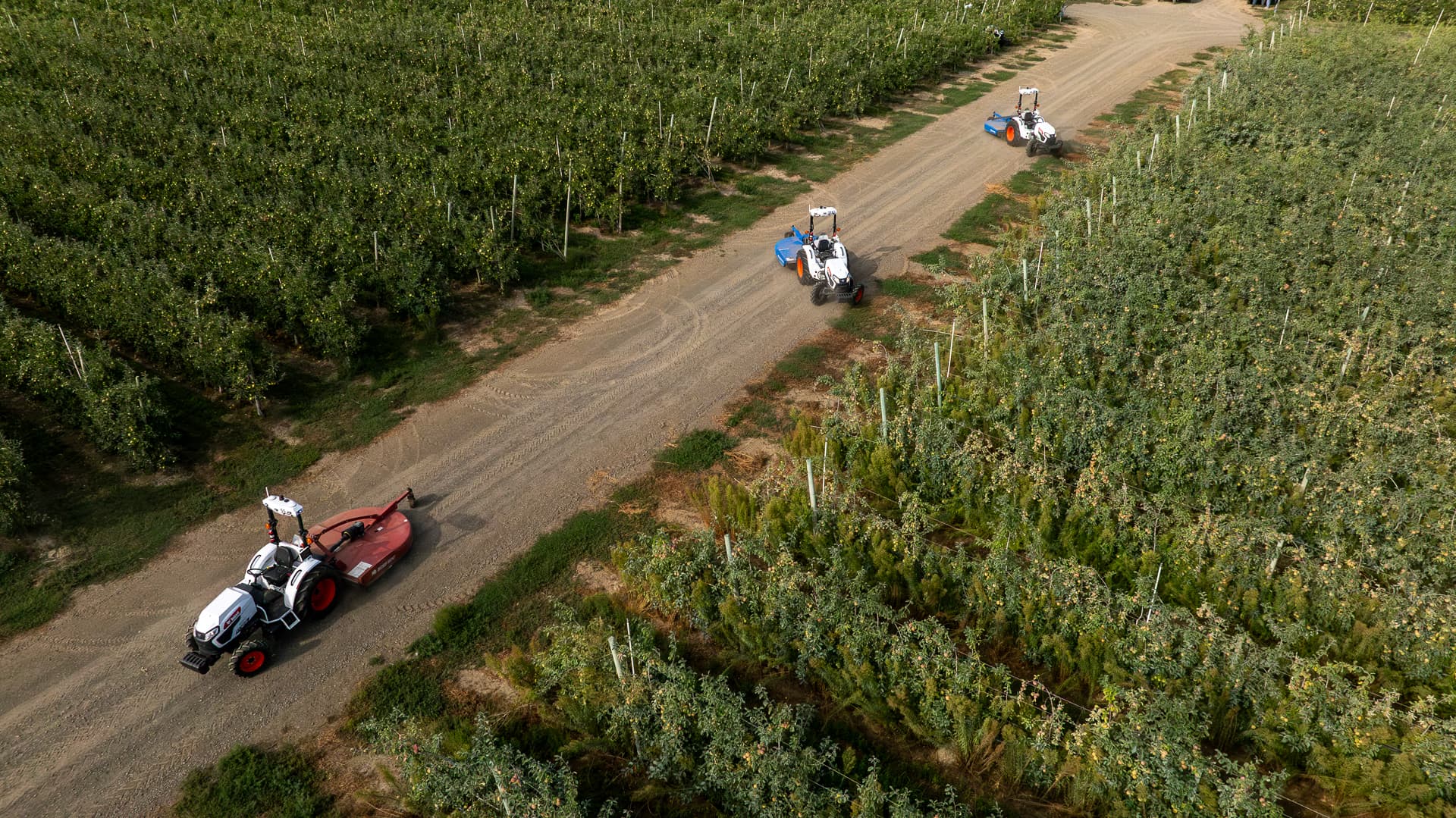
Agtonomy, a physical AI company specializing in intelligent automation for off-road equipment, has announced expanded data capabilities and new autonomous maneuvers across its platform. The company, which partners with leading OEMs to bring factory-fit automation to trusted equipment, revealed that each Agtonomy-enabled unit now processes more than 2 terabytes of data per hour. This continuous stream of field intelligence feeds Agtonomy's commercial autonomy platform, enabling faster system performance and more refined decision-making in real-world conditions.
The announcement, made on August 19, 2026, from South San Francisco, highlights the company's commitment to advancing automation in agriculture, turf, and other industries. For Texas, where agriculture is a cornerstone of the economy, these developments could have significant implications. The ability to collect and process massive amounts of data in real time allows for more precise farming operations, potentially leading to increased yields and more efficient resource use.
One of the key features introduced is fully autonomous multi-point turning. This new capability allows Agtonomy-enabled units to execute complex maneuvers in reverse with precision, without any human intervention. Designed for real operating conditions, the multi-point turning feature improves maneuverability at sites with tight headland areas. This means that equipment can now operate on acreage that was previously inaccessible to autonomous tractors due to space constraints.
For Texas farmers and ranchers, this could open up new possibilities for automation on smaller or irregularly shaped fields. The ability to navigate tight spaces autonomously reduces the need for manual intervention, saving time and labor costs. It also allows for more complete use of available land, potentially increasing the productive area of existing farms.
The expansion of data capabilities also positions Agtonomy to offer deeper insights into field conditions, equipment performance, and operational efficiency. As the platform processes terabytes of data hourly, it can identify patterns and anomalies that may not be visible to the human eye. This intelligence can help operators make more informed decisions about planting, irrigation, and harvesting, ultimately improving overall productivity.
Agtonomy's platform is embedded into industrial machinery through partnerships with equipment manufacturers, allowing operators to retain command over every task while benefiting from automation. This hybrid approach is particularly relevant in Texas, where farms range from small family operations to large commercial enterprises. The flexibility to choose when to engage autonomous features and when to take manual control is a key selling point.
The announcement also underscores the growing importance of data in modern agriculture. As the industry faces challenges such as labor shortages and the need for sustainable practices, technologies like Agtonomy's can help bridge the gap. By enhancing the capabilities of existing equipment rather than requiring new machinery, Agtonomy offers a cost-effective solution for farmers looking to adopt advanced technology.
While the company is based in California, its impact reaches Texas through its partnerships with OEMs that distribute equipment across the state. The advancements in autonomous maneuvers and data processing are expected to be integrated into new and existing Agtonomy-enabled units, providing Texas operators with cutting-edge tools to enhance their operations.
According to the announcement, each unit processes more than 2 terabytes of data per hour, a figure that highlights the intensity of data collection and the potential for actionable insights. This data-driven approach aligns with the broader trend of precision agriculture, which aims to optimize inputs and maximize outputs.
For the industry, these developments signal a move toward more sophisticated autonomy that can handle complex tasks in challenging environments. The introduction of multi-point turning is a step forward in making autonomous equipment viable for a wider range of applications, from orchards to vineyards to row crops.
As Agtonomy continues to expand its platform, Texas stands to benefit from increased efficiency, reduced labor demands, and the potential for higher yields. The company's focus on physical AI—combining artificial intelligence with physical machinery—ensures that the technology is grounded in practical applications that address real-world needs.
For more information about Agtonomy and its platform, visit Agtonomy.com.