

VB Tree Removal Launches Educational Resource on Land Clearing and Forestry Mulching Costs
Found this article helpful?
Share it with your network and spread the knowledge!
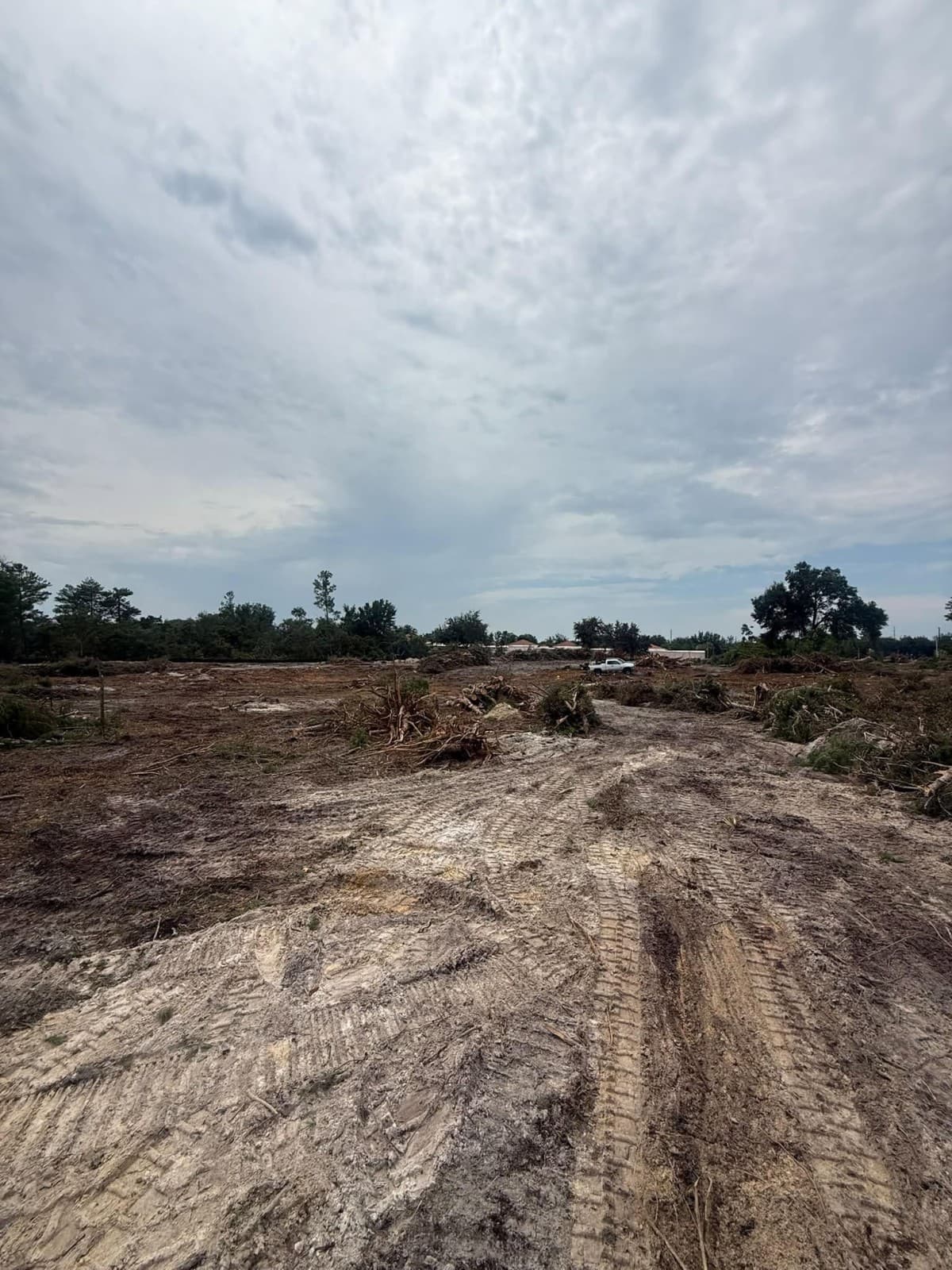
Debary, United States - August 20, 2026 - Volusia Bobcat & Tree Service has released a new educational resource aimed at property owners seeking clarity on land clearing services. The guide, titled "VB Tree Removal Guide Covers Forestry Mulching and Site Prep Costs," identifies seven concrete indicators that signal the need for professional intervention, ranging from overgrown vacant lots to full-scale commercial development.
The demand for qualified land clearing contractors has surged alongside residential subdivision activity, rural land sales, and infill construction across U.S. markets, including Texas. Property owners often underestimate the scope of work until vegetation, stumps, and debris accumulate beyond the capacity of standard lawn equipment. The new resource addresses this gap by providing a scenario-based breakdown of common situations that require a professional land clearing service.
One of the primary signs is a lot that has been vacant for several seasons. Such properties typically involve more than surface brush; root systems, invasive species, and layered debris can conceal hazards like old fencing, drainage pipes, or unstable ground. Another sign is the issuance of a building permit, as construction site clearing is a prerequisite for nearly every residential and commercial build. Grading, foundation work, and utility installation each require a cleared, level surface that meets municipal specifications.
Tree clearing that involves proximity to power infrastructure or building foundations carries liability that unlicensed crews are not equipped to manage. Acreage clearing, commonly defined as tracts exceeding one acre, requires commercial-grade machinery. Attempting such work with residential tools extends timelines and increases injury risk. For terrain where burning or hauling is impractical, forestry mulching has become a widely adopted alternative. This method grinds stumps, brush, and small trees into ground cover in a single pass, reducing labor hours and disposal volume while controlling erosion on slopes.
Lot clearing is also common for landowners preparing parcels for sale or subdivision. A cleared, accessible lot photographs better, appraises at a higher per-acre value in many cases, and moves through due diligence faster. Commercial land clearing involves coordinating with civil engineers, surveyors, and municipal inspectors, requiring contractors to carry insurance certificates and equipment certifications that project managers demand.
The guide also outlines primary cost factors in a land clearing estimate. These include vegetation density and species mix, parcel size (per-acre rates typically decrease as acreage increases), disposal method (on-site mulching generally costs less than hauling debris off-site), access limitations (narrow entry points or steep grades), and permitting requirements (some municipalities require tree surveys or environmental reviews). Residential projects under one acre tend to involve more manual labor relative to machine time, affecting price differently than commercial projects.
Short FAQs address common questions, such as whether forestry mulching suits all soil types (it may not be appropriate for extremely rocky ground) and whether site prep includes stump removal (not automatically; often a separate line item). Lead times for scheduling vary by season and contractor availability, so planning several weeks ahead is advisable for projects requiring permits or large equipment. Property development clearing can be phased to help landowners manage cash flow.
This resource is particularly relevant for Texas property owners and developers facing similar challenges as the state's growth continues. By understanding the signs, costs, and methods, stakeholders can make informed decisions about land clearing, potentially saving time and money while ensuring compliance with local regulations.