

Texas Buyers Gain Ground in Turks & Caicos Luxury Property Market
Found this article helpful?
Share it with your network and spread the knowledge!
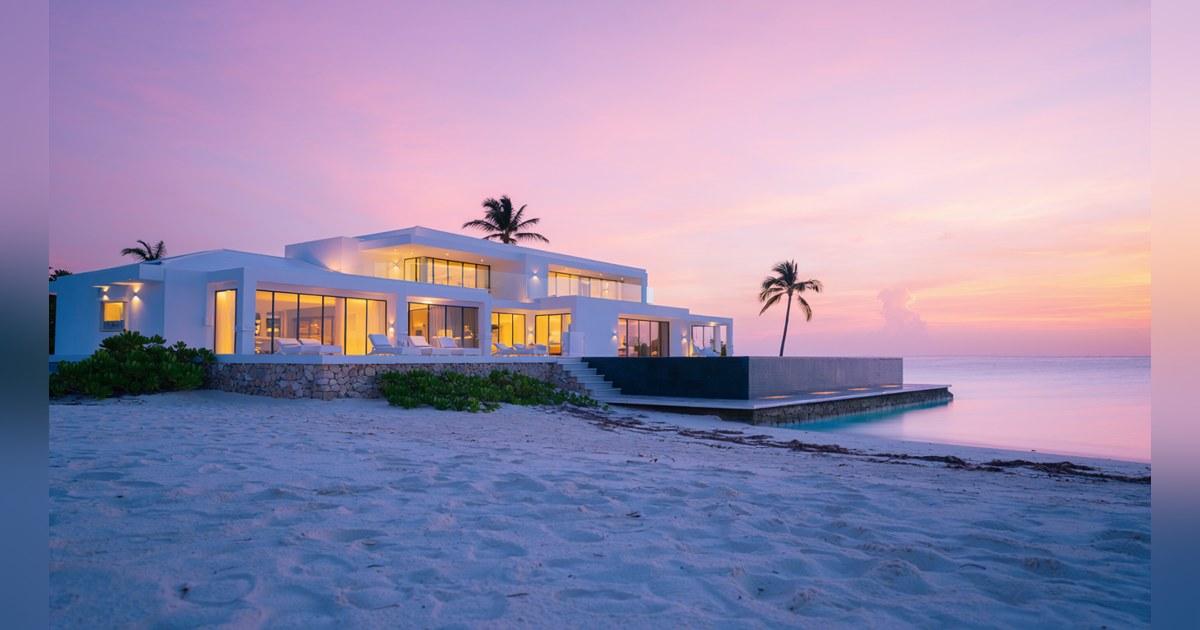
Texas is quietly becoming a more visible source of buyers in one of the Caribbean's most established luxury real estate markets. Dee Agingu, a luxury real estate advisor who has sold more than 400 properties in Turks & Caicos and served as president of the Turks & Caicos Real Estate Association from 2016 to 2018, said her buyers come mainly from the U.S. East Coast and Canada, with a growing share from Texas and other international markets. The shift matters for Texas because it signals where the state's wealth is heading, and how Texas businesses, advisors and families are connecting to markets beyond the state's borders.
Agingu's own history tracks the market's transformation. Her first sale was a $10,000 property that earned her a $250 commission. In her early years, most of her sales were beachfront condominiums priced around $800,000. Today, most of her sales are $2 million and up. She has watched the condo market grow from modest two-star buildings into five-star resort residences. A Ritz-Carlton already operates on Grace Bay, and St. Regis, Andaz and Kimpton projects on Providenciales are due to open from 2027, with Anantara planned for North Caicos in 2029. In Agingu's view, global hotel groups run their own risk analysis before committing to a market, so each new flag is a vote of confidence in the islands as a place to own for the long term.
The top of the market has moved as well. In 2019, Agingu brought the buyer for the late musician Prince's former estate at Turtle Tail on Providenciales, which sold for $10.8 million. The buyer still owns it and has added neighboring property; Agingu believes the estate would list well above $50 million today. For Texas readers, the implication is less about trophy properties than about the widening base of buyers who treat the islands as a second-home market rather than a relocation destination. Most of Agingu's buyers are purchasing a second home, and many buy sight unseen, with closings handled remotely.
The ongoing costs are part of the appeal. Turks & Caicos has no annual property tax, no income tax and no capital gains tax. The main cost to plan for is stamp duty, paid once at purchase. On Providenciales it is currently 10% for purchases above $500,000, and on North Caicos 6.5% above $100,000. The government has proposed changes to the stamp duty structure, and the Immigration Bill 2026 proposes replacing investment-based permanent residence with a long-term residence permit, so buyers should confirm current rates and take legal advice before committing.
The Texas connection runs through relationships as much as capital. Agingu has been a member of REALM, an invitation-only, brand-neutral network of luxury advisors, for five years. That network recently brought her a $6.4 million buyer referral from Houston. She advises buyers new to the islands to ask any advisor three questions: how long they have worked there, how many clients have come back, and whom they can call in the buyer's home market. For Texas companies and professionals serving affluent clients, that referral flow represents a tangible channel into a small, relationship-driven market.
Seasonality shapes timing. The busiest stretch runs from Thanksgiving to Easter, when serious sellers bring properties to market. Agingu's guidance is direct: if you like a piece of property, get it before somebody else does. For Texas buyers and the businesses that serve them, the islands' consolidation into a branded, higher-priced market is the trend to watch.