

Redefining Career Success: The Case for Skilled Trades in America's Workforce
Found this article helpful?
Share it with your network and spread the knowledge!
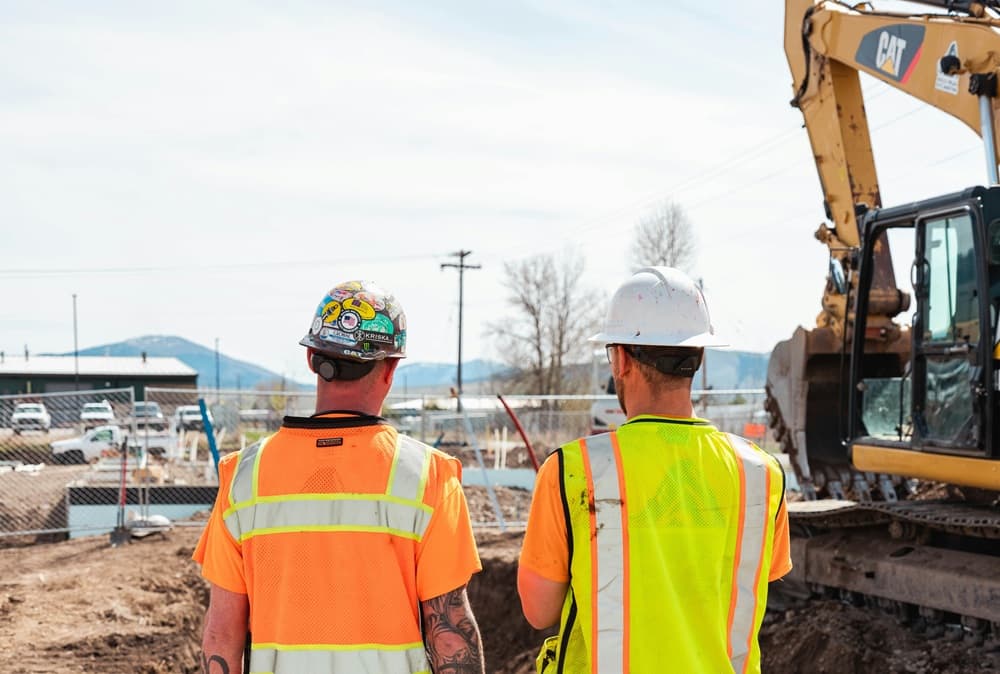
For decades, the American definition of career success has been narrow: graduate high school, attend college, earn a degree, and secure a white-collar job. While this path benefits many, the singular focus on it has created a significant workforce gap in the construction industry—a gap that threatens the nation's ability to build essential infrastructure. Kelvin Enfinger Jr., Vice President at Greenhut Construction and past chair of ABC North Florida, argues that it is time to broaden the conversation and treat skilled trades as equal to higher education.
Enfinger's career exemplifies the potential of the trades. Starting as a carpenter and equipment operator, he advanced through supervision and management to become an executive and partner in an 80-year-old construction company. His story is not unique; across the country, many tradespeople have risen to become superintendents, project managers, and business owners. However, society often overlooks these achievements, sending a message that college is the only worthy pursuit.
The construction industry is facing a workforce challenge decades in the making. As experienced craftspeople retire, contractors struggle to find skilled workers. Simultaneously, the demand for housing, hospitals, schools, and infrastructure grows. Enfinger stresses, "We cannot build the next generation of American infrastructure without first building the next generation of the American workforce." This begins with changing how we perceive and discuss career options.
When a student expresses interest in becoming an electrician or welder, that choice should be met with the same enthusiasm as a college announcement. Parents, educators, and counselors must present these pathways as viable and equal. Employers also have a role—they must invest in training, apprenticeships, mentorship, and leadership development, offering a clear career ladder rather than just a job.
The skilled trades offer more than a paycheck; they provide pride and a sense of contribution. A craft professional can point to a school or hospital and say, "I built that." This work has dignity and offers a direct route to entrepreneurship. Many successful construction companies began with an individual learning a craft, moving into supervision, and eventually starting their own business—economic mobility in its purest form.
However, attracting new workers is not enough. Enfinger calls for a support system that includes stronger career and technical education, expanded apprenticeships, and partnerships between schools and employers. Financial literacy and leadership training are also crucial. "If we want loyalty, we have to create opportunity," he emphasizes.
This is not an argument against college; it is an argument for options. An aspiring engineer should have a clear path, but so should an aspiring electrician. Neither should be deemed more successful based on their choice at 18. By widening the definition of success, America can tap into untapped talent waiting in classrooms for a different possibility.
Enfinger concludes that America needs builders, makers, and problem-solvers. The future will not only be crafted in boardrooms and classrooms; someone still has to build it. Recognizing the value of skilled trades is essential for economic growth and community development across Texas and the nation.