

Orthodontic Emergencies: What Texas Patients Can Learn from a Tallahassee Practice
Found this article helpful?
Share it with your network and spread the knowledge!
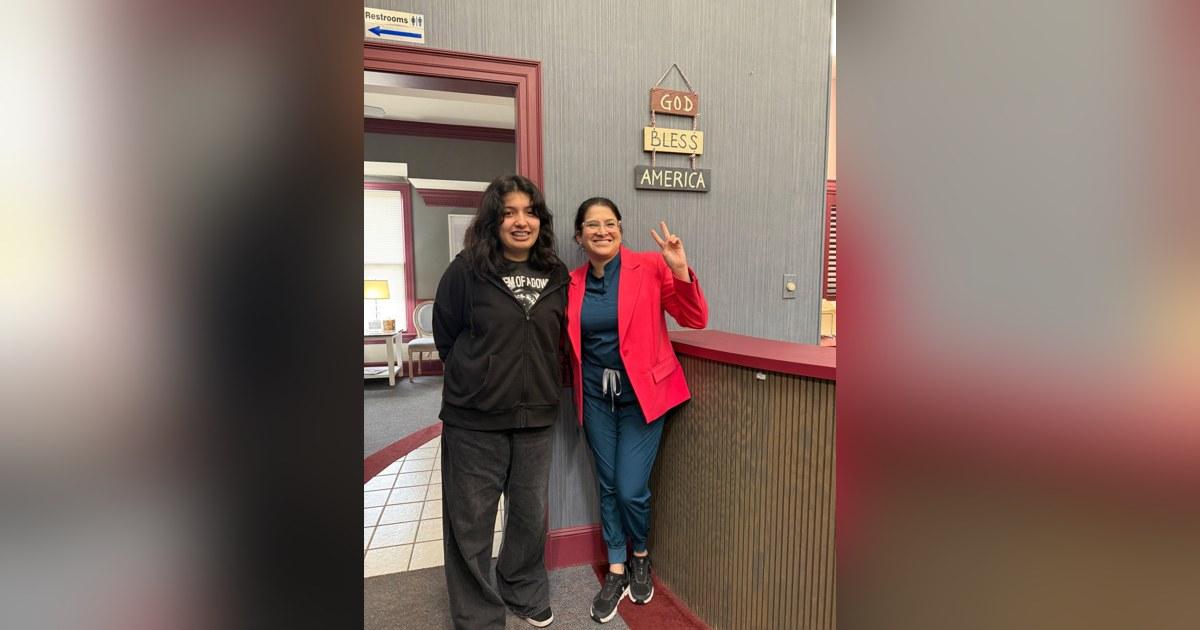
When braces break or a wire begins to poke, patients across Texas face a choice: wait for the next scheduled appointment or seek immediate help. Dr. Maryam Rezaie of Vibrant Orthodontics in Tallahassee, Florida, has released a guide for parents and adults that outlines practical, at-home steps for handling common orthodontic problems before professional care is available. The guidance matters beyond Florida because orthodontic treatment is a significant investment of time and money, and unaddressed issues can slow progress or cause unnecessary discomfort for patients in Texas and elsewhere.
For a poking wire, Dr. Rezaie advises using orthodontic wax, available at most pharmacies, to cover the sharp end and create a temporary barrier against soft tissue. If wax is not enough, the wire can sometimes be nudged flat with clean tweezers, and trimming with sanitized clippers is a last resort. Patients are still encouraged to contact the office to schedule a repair, since a shifting wire can affect treatment progress if left uncorrected. The same principle applies to a loose bracket: if it remains attached to the wire but rotates or slides, leaving it in place and covering it with wax reduces irritation. If the bracket comes off entirely, saving the piece and bringing it to the next appointment allows the provider to assess whether it can be rebonded. A loose band on a back molar should also be reported so it can be recemented before it separates fully.
Soreness in the teeth and jaw during the first day or two after a wire change is a normal response to pressure. Over-the-counter pain relievers used according to package directions, soft foods, cold water, and a warm salt-water rinse are generally sufficient, and the soreness usually eases within a few days. Pain that persists or intensifies warrants a call to an orthodontist in Tallahassee, FL to rule out other causes. A lost or broken retainer should be reported quickly, with any pieces collected and no home repair attempted, because teeth can begin shifting within a short period without it.
Most orthodontic problems can wait for a scheduled visit or be managed temporarily at home, but some situations need emergency care first: a knocked-out or cracked tooth, bleeding that will not stop, facial or jaw swelling, or a possible jaw injury. In those cases, patients should get emergency medical or dental care first, then call their orthodontist so the braces can be checked once the injury has been treated. The practice provides care for children and adults and maintains an online resource for patients seeking braces in Tallahassee, FL. More information about the practice is available at Vibrant Orthodontics.
For Texas businesses and families, the implications are straightforward. Orthodontic care is a long-term commitment, and knowing how to respond to a broken bracket or poking wire can prevent minor issues from becoming costly setbacks. Employers who offer dental benefits and parents managing treatment schedules can use this guidance to reduce unnecessary emergency visits and keep treatment on track, while recognizing which situations truly require urgent care.