

Nasdaq Options Data Emerges as Key Gauge for Texas Tech Sector Risk Sentiment
Found this article helpful?
Share it with your network and spread the knowledge!
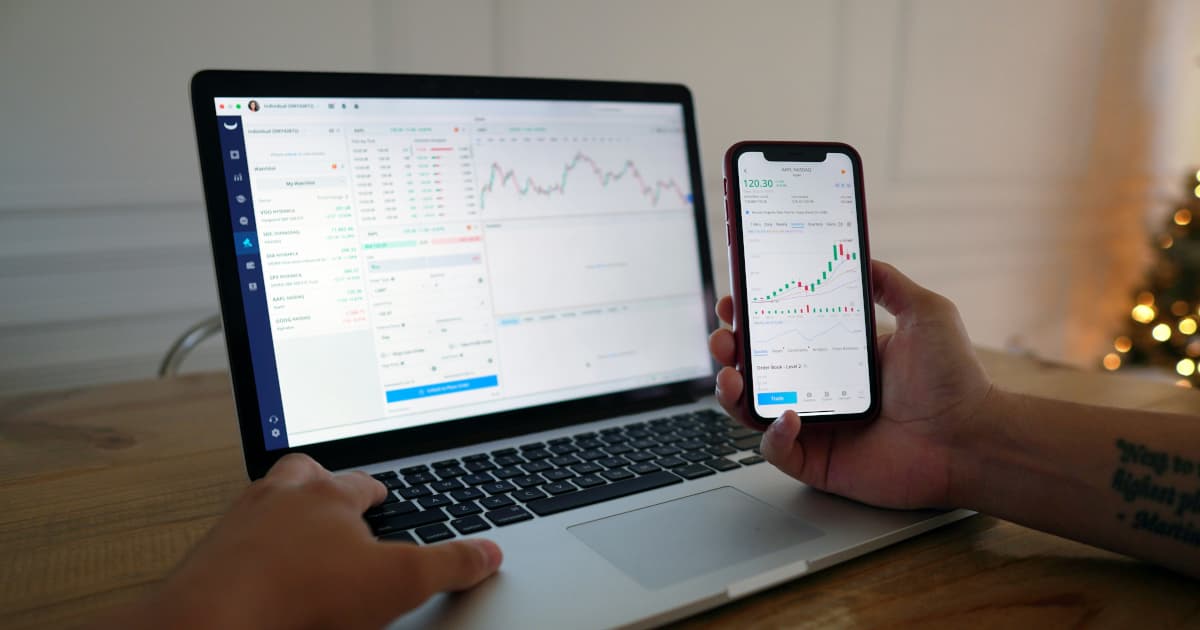
As Texas cements its position as a national hub for technology and semiconductor activity, investors and business leaders across the state are paying closer attention to the signals that can reveal where the tech sector is headed next. One increasingly prominent tool for that task is the options market tied to the Nasdaq-100 Index, according to a report published on Benzinga and distributed through NEWMEDIAWIRE.
The report, authored by Jim Wyckoff, explains that studying options price action, volume and open interest can offer valuable insight into where a stock, index or market may be headed in the near term or longer. For the technology sector, including the red-hot semiconductor industry that has drawn overwhelming attention as the artificial intelligence race evolves, the report points to Nasdaq-100 Index Options (NDX) and Nasdaq-100 Micro Index Options (XND) as essential tools for traders and investors seeking new opportunities.
The distinction matters for accessibility. Both instruments track the same top 100 non-financial companies listed on Nasdaq, but they differ in contract size and affordability. XND tracks the Nasdaq-100 Micro Index at 1/100th of the full NDX value and carries a $100 multiplier; with the micro index trading around 290, one contract controls $29,000 in notional exposure, making it accessible to retail traders. That accessibility broadens the pool of market participants who can hedge or speculate on tech performance, a relevant development for a state whose economy is increasingly intertwined with technology companies and their supply chains.
According to the report, the put/call ratio of NDX and XND can reveal bullish or bearish bias toward the indexes at a given time. A high ratio, with more puts than calls, suggests trader anxiety and a bearish bias, while a low ratio shows keener risk appetite. Some experienced traders also use the ratio as a contrarian indicator, treating extreme readings as warnings of upcoming reversals. During periods of higher market volatility, options premiums typically increase substantially, a phenomenon known as implied volatility. The report notes that NDX and XND recently showed a significant surge in implied volatility leading up to second-quarter high-tech earnings reports, with a sharp divergence between technology sector volatility and that of the broader S&P 500. Investors rushed into NDX and XND options for portfolio protection, creating notable volatility spikes, with heavy positioning in short-dated options skewed toward puts.
The report also highlights options skew, the pricing differences between out-of-the-money puts and calls. A steep skew, where put premiums and implied volatility rise faster than calls, suggests keener risk aversion and bearish sentiment. Open interest clusters at individual strike prices can signal upside targets or technical resistance when calls dominate, and downside targets or support when puts cluster. Volume surges in puts or calls reflect aggressive directional trades or institutional hedging. Rising open interest amid a rallying underlying index, the report states, is a bullish signal of investor conviction rather than short-term speculation. The Cboe-Nasdaq 100 Volatility Index (VXN) offers a tech-specific read on expected 30-day volatility, trading at higher numerical values than the VIX because the Nasdaq-100 contains more growth-oriented, potentially volatile stocks.
For Texas, the implications extend beyond trading desks. The state has become a center for semiconductor manufacturing, data center development and AI-related investment, making local business conditions sensitive to tech sector sentiment. When options markets signal rising anxiety through elevated implied volatility or steep skew, Texas employers, suppliers and investors may face tighter capital conditions and sharper equity swings. Conversely, calm VXN readings and bullish options positioning can support confidence and investment. The report notes that copies of Characteristics and Risks of Standardized Options are available from brokers, exchanges or The Options Clearing Corporation, and that options involve risk and are not suitable for everyone; investors can visitwww.888options.com for more information. The original release is available on www.newmediawire.com. The featured image is from Shutterstock.