

Military Defense Firm Urges Service Members to Know Rights During Investigations
Found this article helpful?
Share it with your network and spread the knowledge!
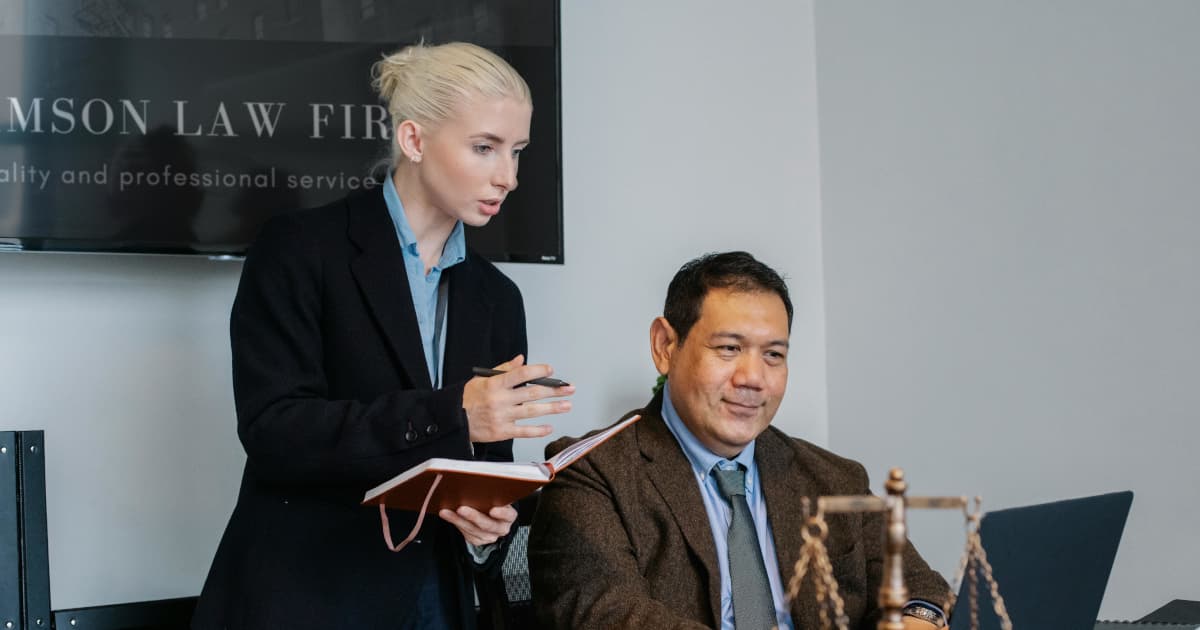
Service members facing military investigations often make critical decisions in the first few days that can shape the rest of their careers. Capovilla & Williams, a national military defense law firm founded by two former Army judge advocates, is urging troops to learn their rights before they answer questions from investigators or their command. The firm says many service members give statements, sign paperwork, or accept punishment before they understand what is at stake. An investigation can start with a single allegation, and the result can range from a letter of reprimand to separation from the military to a federal conviction at court-martial.
“I believe justice transcends politics or whatever policy is trending at the moment,” said Dan Higgins, a partner at the firm and a 10-year Army veteran. Higgins' comment underscores the firm's focus on fundamental legal protections rather than shifting policies.
Among the rights the firm highlights is the right to remain silent. Under Article 31(b) of the Uniform Code of Military Justice, investigators must tell a suspected service member what they are accused of, that they do not have to make a statement, and that anything they say can be used against them at court-martial. Those warnings apply whether the questions come from CID, NCIS, OSI, or someone in the chain of command. Service members also have the right to a lawyer. They can ask to speak with a lawyer before answering questions and are entitled to military defense counsel at no cost, or they may hire a civilian defense lawyer.
The firm also notes that service members offered nonjudicial punishment, often called an Article 15 or captain's mast, can generally refuse it and demand a trial by court-martial, unless they are attached to or embarked on a vessel. That choice carries real risk on both sides and should be made with a lawyer's advice. Additionally, letters of reprimand, separation boards, and other administrative actions usually include a deadline to submit a written response or rebuttal. A strong response can keep a reprimand out of a permanent file or change the outcome of a board.
“Everyone deserves an advocate and someone in their corner,” said Christopher D. Jones, the firm's chief operating officer and a retired Air Force colonel.
Capovilla & Williams was founded by Robert F. Capovilla and Mickey S. Williams, both former Army JAG officers. Capovilla served as a magistrate, prosecutor, trial defense counsel, and special assistant U.S. attorney, and has been a source for CNN, Military Times, and Stars and Stripes. Williams served with the 1st Ranger Battalion and deployed to combat four times before becoming a judge advocate. The firm represents service members of every branch worldwide, with a focus on Fort Benning and Fort Campbell. Recent results posted by the firm include dropped charges for soldiers at Fort Rucker and Fort Bragg and full acquittals for an Air Force E-6 and a Navy diver. Past results do not guarantee a similar outcome.
Beyond court-martial defense, the firm handles federal employment law cases, Title IX matters, and VA disability claims. Its attorneys host the “Military Justice Today” podcast and wrote the book “Court Martial Cases: Defense Strategies and Best Practices.” For Texas, with its large military presence including Fort Hood, Fort Bliss, and Joint Base San Antonio, the firm's message is particularly relevant. Service members in the state can benefit from understanding their rights and seeking legal counsel early. The firm's emphasis on knowing rights before speaking to investigators could lead to better outcomes for troops and set a higher standard for military defense across the country.