

Marble Falls Mayor Champions Direct Potable Reuse as Key to City's Water Future Amid Hill Country Boom
Found this article helpful?
Share it with your network and spread the knowledge!
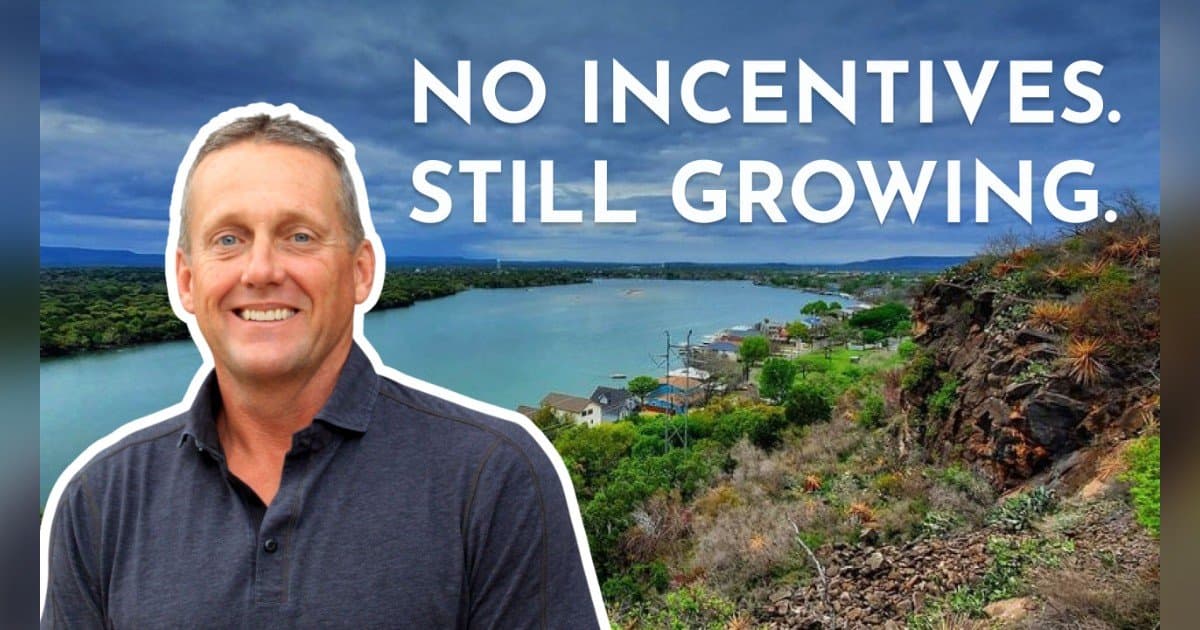
As the Texas Hill Country continues to experience rapid growth, Marble Falls Mayor John Packer is betting on direct potable reuse—commonly known as toilet-to-tap—to secure the city's water future. In a recent episode of The Building Texas Show, Packer outlined a three-pronged water plan that combines Highland Lakes surface water, a newly purchased well water system, and recycled wastewater from a relocated treatment plant.
Packer, a small business owner who returned to the mayor's office after a four-year break, framed water as the defining issue for Texas cities. "If we draw over a million gallons of water outta the lake every day to make drinking water, and we produce roughly 800,000 gallons of wastewater, we can turn that 800,000 into at least 600,000 or 700,000 gallons of water. It's just a kind of a no-brainer," he told host Justin McKenzie. While acknowledging the concept "makes people cringe a little bit," Packer insisted, "it's the future."
The push for water recycling comes as drought pressure mounts west of the dry line and the city grapples with aging 1950s-era infrastructure. The city's water plan, which includes direct potable reuse from a relocated wastewater plant, is among the most ambitious in the region. This approach could serve as a model for other Texas communities facing similar water scarcity challenges.
Beyond water, Marble Falls is coordinating with TxDOT, LCRA, TCEQ, and the county on key transportation corridors, including the 281 and 1431 intersection and the Highway 71 corridor. More than 35,000 vehicles cross through town daily on Highway 281, a route stretching from Mexico to the northern United States, yet traffic nearly vanishes after 7 p.m., complicating TxDOT funding cases. Efficient transportation is critical for businesses relying on the movement of goods and for residents commuting to Austin.
The city is also investing in quality-of-life projects to attract and retain talent. A new lakefront hotel conference center is under construction, connecting Main Street shops and restaurants to Lake Marble Falls. The Economic Development Corporation is focusing on business retention and facade grants rather than financial incentive packages. Packer also highlighted a built beach along a lake that can flood 18 feet, expanded trails and sidewalks, a popular skate park, and a partnership in the One Water initiative tied to the new wastewater plant's purple pipe system.
The conversation also surfaced operational realities behind growth. Packer recounted how the July 4th flooding turned Lake Marble Falls into "chocolate milk," quadrupling treatment cycle times for weeks. Such events underscore the need for resilient water infrastructure as the region faces more extreme weather patterns.
This announcement matters because it showcases a Texas city proactively addressing its water future through innovative reuse technology, setting a precedent for other municipalities. The implications for the reader and the industry are significant: direct potable reuse could become a standard solution for water-scarce regions, balancing growth with sustainability. For businesses in the Hill Country, reliable water and infrastructure are essential for continued economic expansion.