

Lake Conroe Waterfront Buyers Advised to Inspect Bulkheads and Boathouses First
Found this article helpful?
Share it with your network and spread the knowledge!
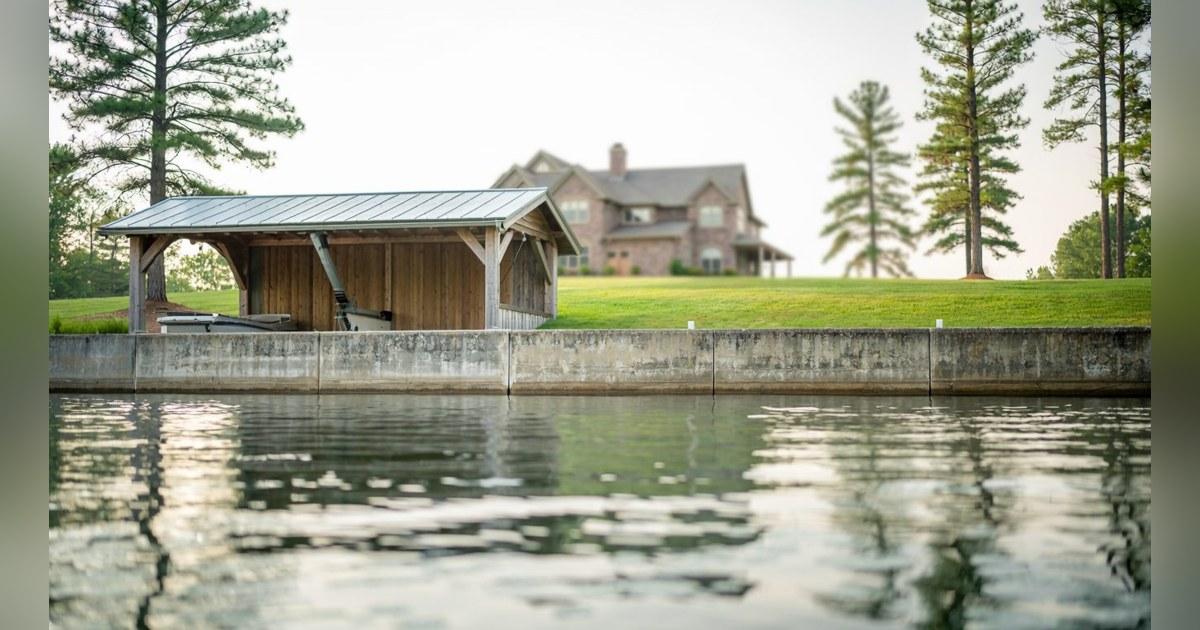
Prospective buyers of waterfront homes on Lake Conroe should inspect the bulkhead and boathouse before anything else, according to Wendy Welsh, a Lake Conroe area Realtor with Coldwell Banker Realty in Willis, Texas. Welsh, who has sold homes around the lake since 1992 and lives on the water, said replacing both structures can run hundreds of thousands of dollars, making them the costliest parts of a lakefront property to fix.
“Those are big-ticket items,” Welsh said. “You just want to make sure you don’t have a big bill.” Even at a first showing, she advises looking for soil washing out behind the bulkhead—a sign of potential wall problems—and checking the boathouse’s sturdiness. Because bulkheads are held in place by buried anchors called deadmen, buyers cannot judge them by eye, so Welsh recommends ordering a separate bulkhead inspection alongside the general inspection, with enough time in the option period to complete both.
Welsh also urges buyers to settle their priorities before touring: rank the view, water access, lot size and house size. “There’s a wide difference between a view and a location on a canal,” she said. Lake Conroe, a 20,118-acre reservoir on the San Jacinto River managed by the San Jacinto River Authority, offers open water, cove and canal frontage, each trading view against price. Open water is “by far the most desirable just because of the views,” Welsh said, while a canal lot is “a great way to afford to be on the water at a more affordable price.” Waterfront homes around the lake range from about $400,000 to several million dollars, shaped by neighborhood, view, amenities and square footage.
For buyers who value lake life over direct frontage, Welsh points to homes in lake communities with shared amenities, golf course homes in communities such as Walden and April Sound, and larger home sites around Willis and Montgomery. Her guide to Lake Conroe communities compares those options.
Utilities and taxes also demand attention. Most waterfront homes sit in a municipal utility district (MUD) that supplies public water and sewer, and the MUD sets its own tax rate on top of other property taxes. Buyers should confirm the rate and build it into monthly ownership costs. Only a limited number of properties still rely on a well or septic system.
Upkeep exceeds that of a typical home, with most of it at the water’s edge: the boathouse needs regular care and the shoreline needs watching. “There’s always something interesting and fun about every house on the water, because they’re all just a little different,” Welsh said. Her waterfront properties guide covers docks, bulkheads and San Jacinto River Authority requirements in more detail.
The implications extend beyond individual buyers. As Lake Conroe’s waterfront market draws interest from families and investors, informed inspections and realistic budgeting for bulkheads, boathouses and MUD taxes can prevent costly post-closing surprises, protect property values and support steadier long-term investment in one of Texas’s largest recreational lakes.