

Kaufman & Company Unveils Eight Brands to Unify National Portfolio, With Texas AI Campus Among First Projects
Found this article helpful?
Share it with your network and spread the knowledge!
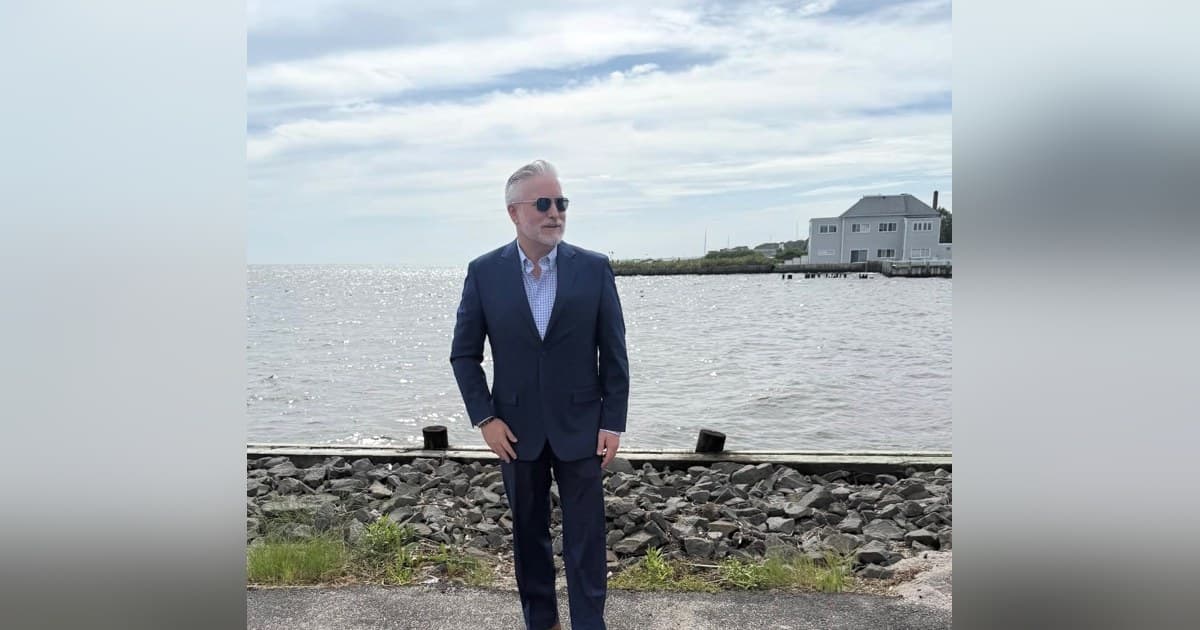
Kaufman & Company, the permanent capital holding company founded by Daniel Kaufman, has launched eight brands that will serve as the public face of everything the platform designs, builds, and operates. The brands—Haven, Foundry, Trellis, Convivium, Everwell, District, Weekender, and ZeroPoint—organize the company’s work into three categories: Residential, Places, and Infrastructure. The announcement marks a significant step in the evolution of a platform that now spans ten operating companies across residential development, workforce housing, AI infrastructure, and venture capital. Over the next year, every asset in the current portfolio and future pipeline will be rebranded under the brand that matches its asset class and the people it serves.
For Texas, the most immediate impact comes from ZeroPoint, the institutional brand for the physical buildings, power systems, and networks that run next-generation artificial intelligence and distributed computing. ZeroPoint’s pipeline includes the Rio Grande Data Campus in El Paso, Texas, a joint venture between Lonestar Kaufman Development Partners and ServerDomes Global. This project positions Texas at the forefront of the AI infrastructure boom, potentially attracting hyperscale tenants and generating economic activity in the El Paso region. The development follows a disciplined approach: start with a working prototype, prove the model, then scale. That prototype, Project Zero, is already installed in Detroit, Michigan, and serves as the product line for distributed deployments.
The branding initiative is designed to clarify what each audience can expect before they ever need to know which entity built it. As the platform grew to ten operating companies, the names on the paperwork stopped matching how residents, partners, and cities actually experience the work. “We have been building across almost every asset class at once, and the work deserved names that say what it is,” said Daniel Kaufman, Founder and CEO. “A Haven community, a Foundry community and a ZeroPoint campus solve very different problems. Our operating companies still do the building. The brands tell residents, partners and cities what they can count on from us, wherever we show up.”
The residential brands include Haven for attainable housing, Foundry for workforce housing, Trellis for scalable middle-market communities, Convivium for co-living and tech-forward residential, and Everwell for active adult and independent living. On the places side, District focuses on mixed-use destinations, while Weekender is a design-driven hospitality brand. Each brand is endorsed by Kaufman & Company and operated by one of its ten operating companies, ensuring consistent development discipline, balance sheet strength, and long-term ownership.
The rollout will continue over the next twelve months, with rebranding across signage, websites, marketing materials, and resident-facing communications. Several pipeline communities have already transitioned, including Haven at Shelburne, Foundry’s Falls Landing, Trellis’s Greenview Residences, and Everwell at Harpeth Reserve. Existing partners, lenders, and municipal relationships remain unchanged. “The rollout is going to take a year because we want to get it right, one community at a time,” Kaufman said. “By this time next year, anyone who drives past one of our properties, visits one of our sites or partners with us on a deal should be able to tell exactly what we built and who we built it for.”
For Texas businesses and residents, the launch signals a more organized and transparent approach to development from a company active in 24 states. The Rio Grande Data Campus in El Paso could spur local hiring, infrastructure investment, and technological innovation, reinforcing Texas as a key player in the AI economy. As Kaufman & Company continues to expand, its branded clarity may also set a new standard for how large platforms communicate with the communities they serve.