
IBM Plunges 25% in Worst Day on Record, Rattling Markets and Signaling Shift to AI Spending
Found this article helpful?
Share it with your network and spread the knowledge!
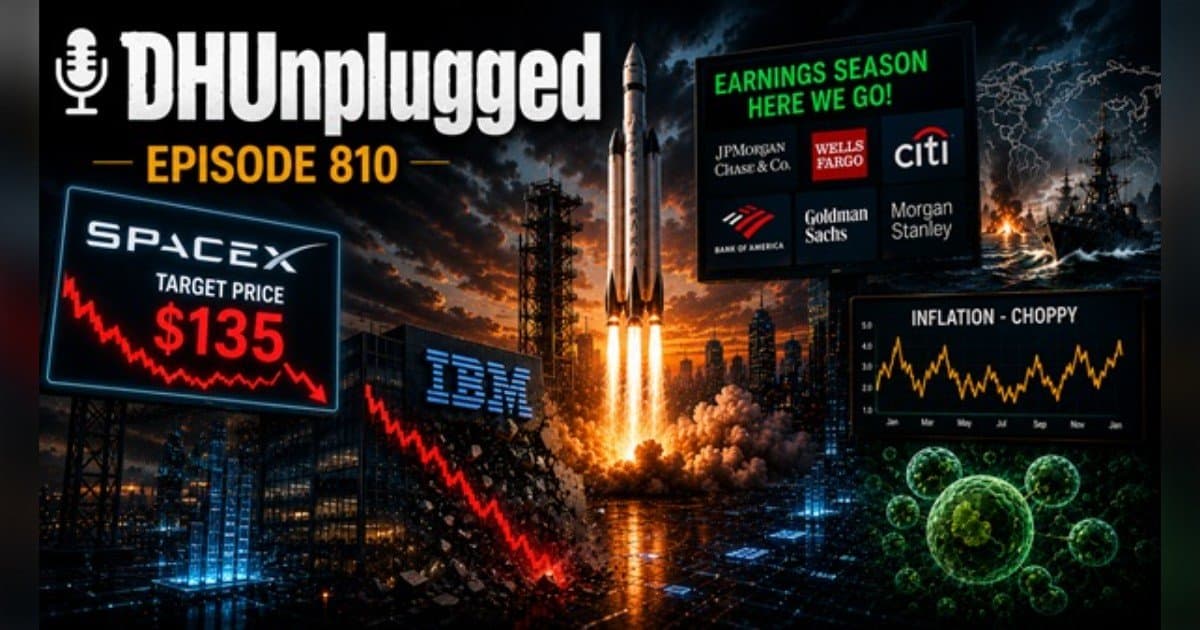
IBM suffered its worst trading day on record, plunging approximately 25% after issuing a pre-announcement that revealed a $700 million revenue miss and adjusted earnings per share of $2.93 versus the expected $3.01. The sell-off, covered in Episode 810 of the podcast DH Unplugged, underscores a significant shift in enterprise spending as customers redirect budgets toward AI servers, memory, and hardware, while delaying software purchases. Management's warning rattled markets and sent a clear signal about the evolving priorities in the tech sector.
The episode, hosted by John C. Dvorak and Andrew Horowitz, dissected the implications of IBM's stumble. Horowitz noted the disconnect that lifted competitors Dell 7% and Hewlett Packard Enterprise nearly 5% on the same session, suggesting that the market is rewarding companies aligned with AI infrastructure. He drew a parallel to the 2007-2008 letters-of-credit squeeze, sharing an anecdote from a weekend gathering where commercial real estate developers and plumbers described stalled projects and frozen loan draws. This pattern of "cradling"—algorithmic rotation that props up indices even as individual names suffer—may signal broader economic fragility.
For Texas, a state with a growing tech and energy sector, the implications are significant. IBM's warning could accelerate the shift toward AI-driven hardware investments, benefiting companies like Dell and HPE, both with major Texas operations. However, the software slowdown may impact Austin's burgeoning software ecosystem. Additionally, the energy sector faces headwinds from oil's surge past $80 amid renewed Middle East tension, following President Trump's walk-back on a 20% Strait of Hormuz reimbursement fee. Texas oil producers could see short-term gains, but volatility remains high.
The bank earnings season kicked off with blockbuster results: JPMorgan reported $21 billion in net revenue with an 86% jump in equities, Bank of America posted $9.1 billion net income, Goldman Sachs earned $6.6 billion profit ($20.98 EPS), and Citigroup's net income rose 45%. These strong numbers may provide some stability, but the IBM shock underscores the market's sensitivity to AI spending trends. SK Hynix's $26.5 billion NASDAQ ADR listing, oversubscribed seven times, further highlights investor appetite for AI memory stocks.
On the cultural front, the episode examined Odysseus: The Fall, a 135-minute fully AI-generated feature film directed by Ash Kusha and produced by FountainO for mid-five figures, launching alongside Christopher Nolan's $250 million Odyssey. This development raises questions about the future of content creation in Texas, a state with a growing film industry. Meanwhile, Apple's lawsuit against OpenAI over alleged trade-secret theft, involving former hardware chief Tang Tan and Chang Liu, adds to the competitive tensions in AI.
The hosts' stock picks—Amazon and Micron, both long—reflect confidence in AI and cloud infrastructure. For Texas businesses and investors, the key takeaway is that the AI revolution is reshaping spending patterns, with hardware and memory companies poised to benefit while software firms face headwinds. The IBM crash serves as a warning that market leadership is shifting, and those not aligned with AI investment may suffer.