

HomeLedger Founder Highlights Risks of Vacant Second Homes and Need for Verified Home Watch Services
Found this article helpful?
Share it with your network and spread the knowledge!
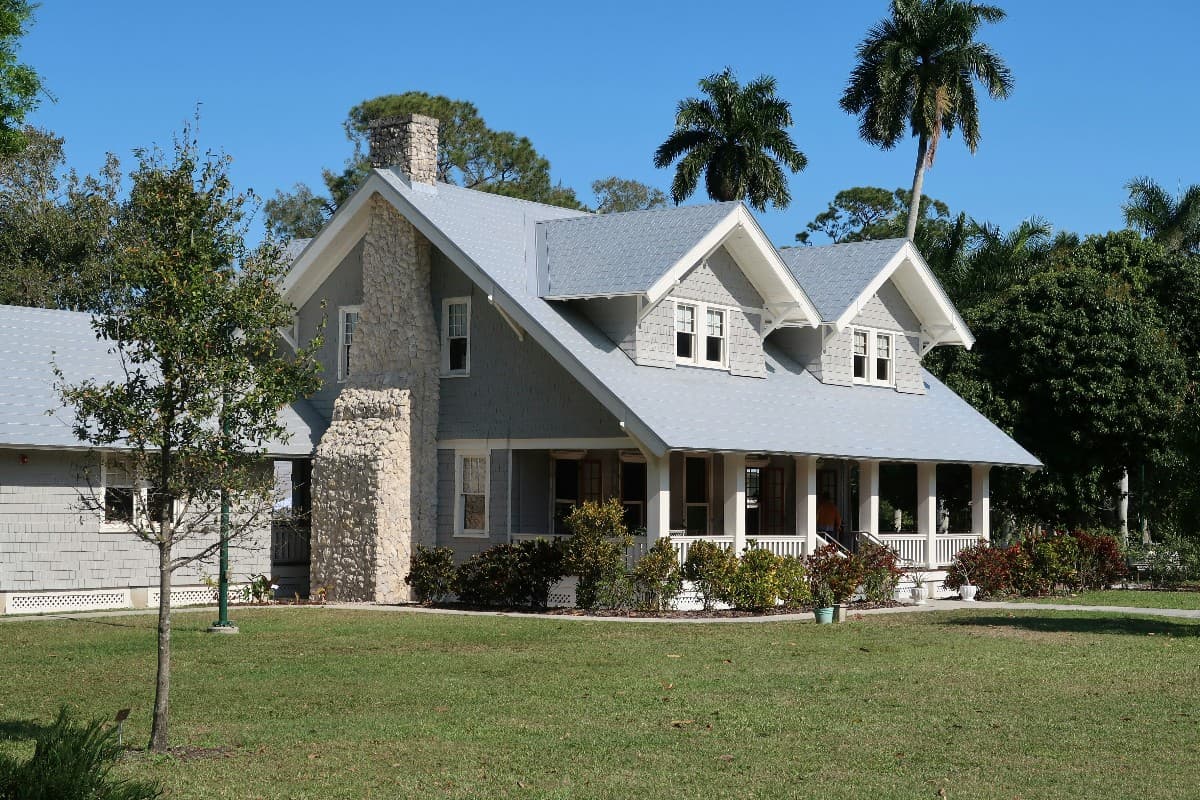
Most second-home owners believe their property is fine when they are away, relying on smart locks, Nest thermostats, and security cameras. However, according to Clem McDavid, founder of HomeLedger, the problems that cost owners the most money are rarely dramatic—they are slow, invisible failures that compound over weeks and months with no one around to catch them. The gap between “connected” and “covered” is where most vacation property damage actually happens.
Power surges are one of the most common culprits. A surge knocks something offline, and in a primary residence you notice within hours. In a seasonal home, you might not discover it for two months. By then, whatever failed to restart has had time to cause secondary damage. Freezer doors are another issue—a door that looks closed but is not sealed properly can freeze everything solid or let everything melt. Leaky faucets, both interior and exterior, left unaddressed for a season become water damage, mold, and structural problems. The repair cost is not proportional to how small the original issue seemed.
Connected devices add another layer of false confidence. Smart thermostats and remote sensors depend on power and Wi-Fi. When either goes out, the device goes dark and the owner has no visibility into what is happening. McDavid emphasizes that the human element—someone physically present at the property—is not replaceable by a sensor.
Many second-home owners who have tried home watch services before describe a pattern: the first few visits were thorough, but gradually communication stopped, visits became harder to verify, and when something went wrong, there was no documentation. McDavid calls this a structural problem, not a character flaw. Without a system that creates a verifiable, timestamped record of every visit, accountability depends on goodwill and memory, which is unreliable.
McDavid advises homeowners to ask for GPS-verified visit records, timestamped photos, and reports that arrive automatically. If getting a report from three weeks ago requires a phone call, that is a gap in the system. The standard is that if a homeowner calls and asks for a report from a visit that happened three weeks ago, the operator should be able to produce it in under three minutes.
Seasonal vacation markets amplify risks. Properties in Nantucket, Naples, and the Florida coast face extreme weather, salt air, and temperature swings that accelerate wear. A small issue that might sit unnoticed for months in a temperate climate can turn into a significant repair within weeks in a coastal environment. McDavid uses an analogy: skipping an oil change is possible, but the longer you go, the worse the outcome, and the cost of fixing the problem is always far greater than the cost of maintenance skipped.
For second-home owners evaluating their current oversight arrangements, HomeLedger’s Watch Tower platform is built specifically for the home watch industry, designed to bring accountability to operators of any size. HomeLedger is a property technology company focused on the home watch industry, and its Watch Tower platform helps manage vacant and seasonal properties on behalf of absent owners.