

HOA Special Assessments: When Boards Can't Afford Repairs, Private Lending Offers an Alternative
Found this article helpful?
Share it with your network and spread the knowledge!
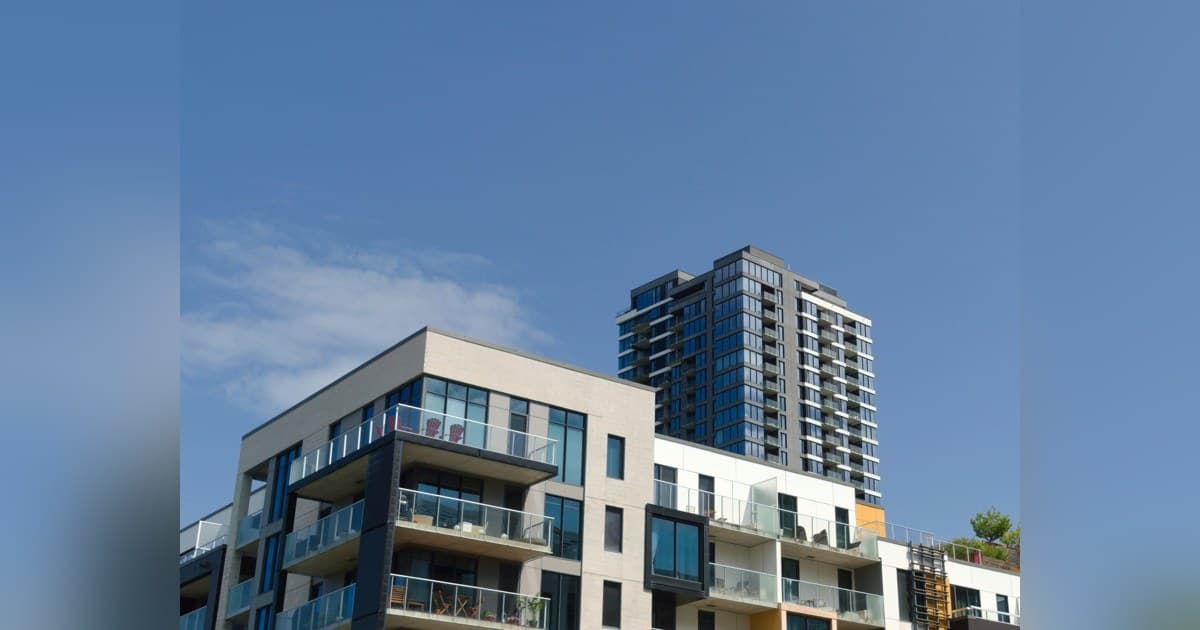
Homeowners associations across Texas are grappling with an aging infrastructure problem: roofs fail, windows leak, and major repairs demand immediate funding. The traditional solution—a special assessment—sounds straightforward, but it often stalls when boards must vote on the measure and some owners cannot pay a lump sum on short notice. According to Jack Miller, principal at Gelt Financial, many boards do not realize they can borrow against future dues until they are already stuck.
Gelt is one of the few private lenders that finances associations directly, a niche Miller describes as having almost no competition because most lenders are not set up to underwrite such deals. Unlike a mortgage on an individual property, an association loan is not secured by real estate. There is no traditional collateral, and board members or owners do not provide personal guarantees. Instead, the loan is secured by the association’s ability to pass a special assessment or raise condo dues to repay it over time.
That structure means the association borrows against its own income stream, not the building itself. Once the loan closes, the board typically still passes an assessment, but instead of collecting a large lump sum from every owner at once, the repayment gets spread out and the immediate repair gets funded right away.
The biggest obstacle Miller sees is not financial—it is personal. He described a recent case involving two elderly board members, ages 88 and 92, who served as president and treasurer of a 40- to 50-unit association. Both were retired schoolteachers and were reluctant to raise dues because they knew every homeowner personally and did not want to ask neighbors for more money. Miller’s response was direct: if you own your home, the repairs must get done regardless of how uncomfortable the conversation is. Boards that avoid raising dues often end up with a bigger problem later, when a roof leak or failed window becomes an emergency instead of a planned repair.
Not every association needs outside financing. Sometimes individual owners fund their own share of a special assessment directly rather than paying a lender’s rate. Miller pointed out that one owner might reasonably ask why they should pay Gelt’s rate when they could cover their portion themselves—and for owners who can afford that, it is a fair question. Where private lending makes the most sense is when the board needs the repair funded now and cannot wait for a lump sum assessment to clear.
Gelt cannot help every association. Deals involving existing debt on the property typically do not work, since Gelt wants to be the first lender in, and associations that have let a problem grow too large sometimes need more repair work than makes economic sense to finance.
Miller’s advice to boards is to get ahead of the timeline rather than wait for a crisis. Associations should plan major repairs a year in advance and build relationships with banks and other traditional lenders first, since that financing is typically cheaper. Private lending exists as the option for boards that have already tried that route and still need a way to get the work done.
For Texas associations, the implications are clear: proactive planning and early conversations with lenders can prevent small maintenance issues from becoming financial emergencies. As more properties age, the demand for creative financing solutions is likely to grow, and boards that understand their options—including private lending—will be better positioned to protect home values and community stability.