

Hispanic Parents' Fears Impact Texas Classrooms, But Economic and Educational Contributions Remain Vital
Found this article helpful?
Share it with your network and spread the knowledge!
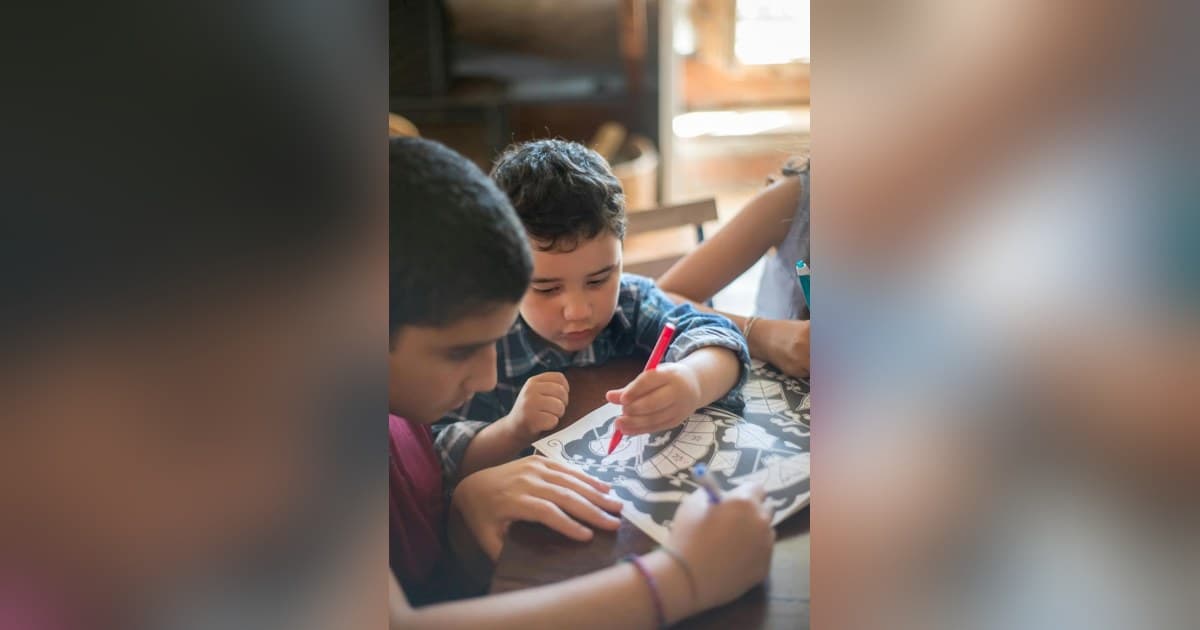
Nearly one in five Hispanic parents say they have skipped or avoided a school event in the past year because of immigration concerns, according to a recent survey from the National School Choice Awareness Foundation. The findings, released during Hispanic Heritage Month, highlight a troubling intersection of immigration policy and education that has implications for Texas and the nation.
The survey found that 57% of Hispanic parents say the current immigration policy environment is at least a somewhat concerning factor in their family's daily life. Fourteen percent have kept their child home from school, and 11% have avoided contacting a teacher or school staff member. When fear influences whether a parent attends a school event, talks to a teacher, or sends a child to class, it becomes an education issue.
As a Latina and mother of two teenagers in a traditional public school, Krissia Campos Spivey, senior director of Conoce tus Opciones Escolares, a National School Choice Awareness Foundation project, understands the stakes. She notes that Latinos drove 28% of all U.S. economic growth last year alone, and the Latino economy, standing on its own, would rank as the fourth largest in the world. That economic power is directly tied to the education of Latino children, who represent a growing share of the future workforce.
According to federal education data, almost three in 10 public school students in the United States are Hispanic today, and roughly one in four American children under eighteen are Latino, a share that has been growing for years. In Texas, where Hispanic students make up a majority of public school enrollment, these numbers carry particular weight. Latino children's education is not a side issue; it is central to the state's economic future.
The survey also revealed that 41% of parents want clear information about their children's right to a public education, regardless of immigration status. That right was settled by the Supreme Court more than four decades ago in Plyler v. Doe, which ruled that states cannot deny a free public education to a child because of immigration status. Yet that protection is only meaningful if families know about it.
Additionally, 41% of parents said immigration concerns have led them to consider, actively explore, or choose a different kind of school or learning environment for their child in the past year. This shift could have significant implications for Texas school districts, which may see enrollment changes as families seek alternatives. Resources like Conoce Tus Opciones Escolares can help Spanish-speaking families explore those options and find information in their own language.
For Texas businesses, the message is clear: the state's economic vitality depends on an educated workforce, and Latino children are a growing part of that pipeline. When parents are afraid to engage with schools, everyone loses. Schools, districts, and community organizations all have a role to play in ensuring families understand their rights and the learning options available to them. A parent who knows what choices exist can make confident decisions for their child's future. That is not a partisan ask; it is what every family deserves.