

Hidden Costs of Uncovered Steel Fence Posts: A $115,000 Fine and 60% Savings with Reusable Caps
Found this article helpful?
Share it with your network and spread the knowledge!
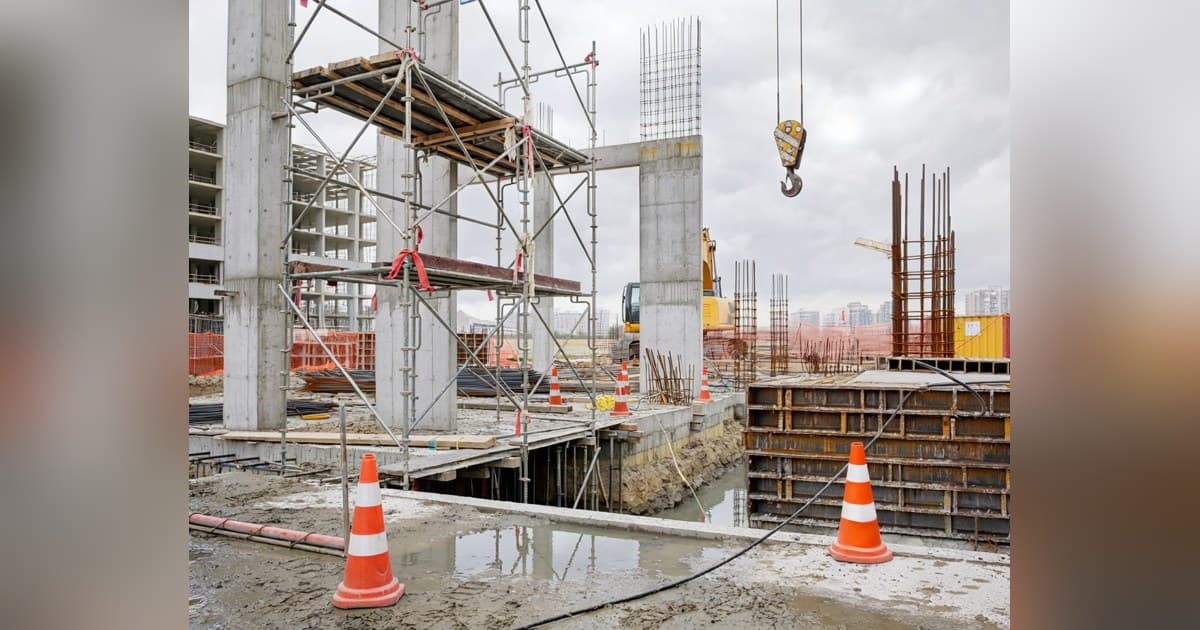
Contractors often rely on plastic caps for steel fence posts because they are inexpensive, but according to Anthony Burr, founder of Safety Pickets, Inc., that low price tag is misleading once the true costs of failures, injuries, and ongoing replacement are tallied. Burr, who spent years as a concreter working around exposed steel star pickets (known as steel T-posts in the US), invented a reusable steel cap to address these hidden expenses.
Burr’s comparison begins with a basic order: covering 100 posts with his company’s steel caps costs roughly $250 to $300, and the caps can be reused indefinitely. In contrast, he points to an Australian case where uncovered posts led to a fall and a fine of $115,000—a figure that excludes site shutdown, medical bills, or legal claims. “That’s just a fine,” Burr said. For contractors weighing a few hundred dollars against a six-figure penalty, the gap is hard to ignore.
Even minor incidents carry real costs. If a worker cuts a shin on an exposed post and needs stitches, the contractor faces medical bills and pays the worker for the day of injury plus recovery time. “It can go into the tens of thousands easily,” Burr said. Beyond liability, plastic caps cost more than they appear because they break, blow away, and become brittle in sun and rain. When Safety Pickets runs comparisons for customers switching from plastic, it excludes liability and looks only at replacement costs. According to Burr, covering 1,000 posts over five years with reusable steel caps yields a 60 percent saving compared with continually rebuying plastic ones. He adds that steel caps do not rust and will likely outlast the posts themselves.
Labor is another hidden cost. Plastic caps must be put on and taken off every time posts are used, a job Burr describes as one no one wants. “Every time you put them on, there’s probably half an hour. Every time you take them off, there’s another half an hour,” he said. “So it adds up quite quickly that the plastic caps aren’t actually cheaper.” The company explains how reusable steel caps cut replacement and waste on its sustainability page.
Liability does not stop at a contractor’s own crew. Burr highlights the risk of unauthorized individuals—such as someone wandering onto a site after hours, even if drinking—getting hurt on an exposed post. “They shouldn’t have, but they have every right to be able to sue,” he said. For US contractors and property owners, where legal claims after injuries are common, that exposure is worth factoring into any decision about how exposed steel is covered.
For contractors still using plastic caps because nothing has gone wrong yet, Burr’s advice is blunt: “If something can go wrong, then it will. So just the labor costs, the liability, the headaches, and the stress are all hidden costs. Hidden costs that will add up over time. You may not have to outlay it. But it catches up very quickly.” He suggests pricing out replacement caps over several years, labor hours, and the realistic cost of a single injury against the one-time cost of a reusable option. Safety Pickets, Inc. designs and manufactures a patented, reusable steel safety cap for star pickets and T-posts, currently sold across Australia and expanding into the US market. Learn more at safetypickets.com.