

Destinations Texas CEO: Visitors Fund Tourism Marketing Without Burdening Residents
Found this article helpful?
Share it with your network and spread the knowledge!
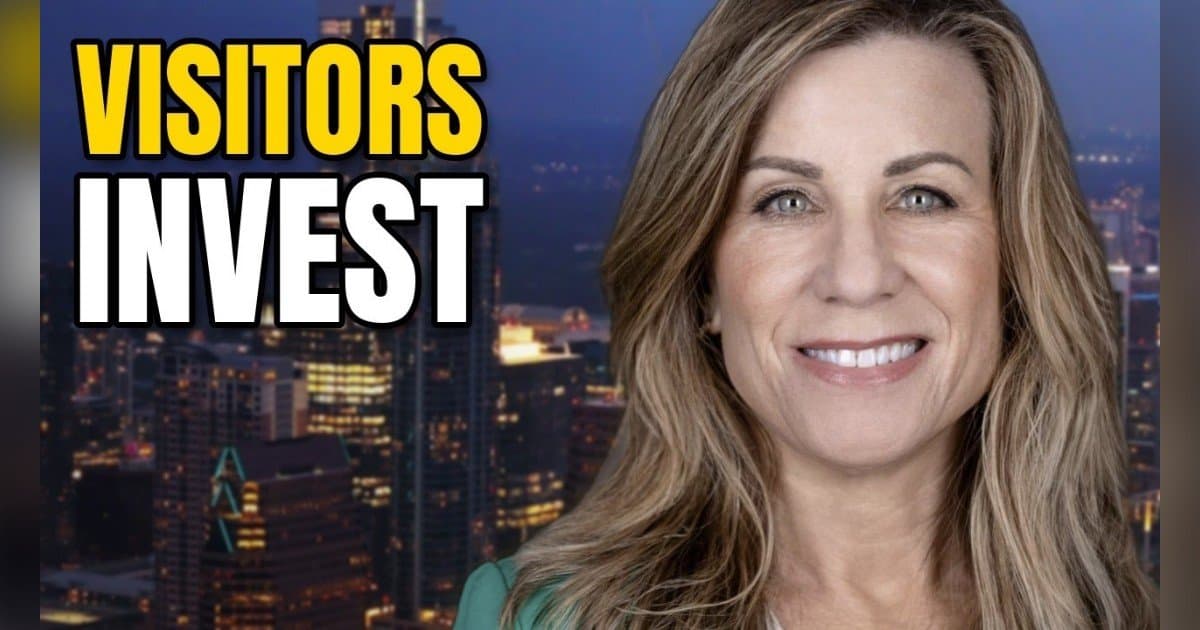
Tourism in Texas is often misunderstood as a cost to local communities, but Kathleen Davis, CDME, president and CEO of Destinations Texas, argues the opposite: visitors are a net economic benefit. In a recent episode of Why Your Texas Town Wants Tourists, Not New Residents | Destinations Texas CEO, Davis explained to host Justin McKenzie how destination organizations, or DOs/DMOs, promote and develop their communities to attract visitors and conventions. “When the visitor comes into your community, they’re not putting a burden on housing,” Davis said. “They’re not putting a burden on the schools, on the police, on the fire departments. They’re coming in, they’re spending money, and then they’re leaving.”
That spending is largely fueled by the hotel occupancy tax, which Davis emphasized is “paid for by the visitor. It’s not paid by the resident.” Consequently, the marketing these organizations do “is not costing residents a dime.” This funding model allows towns to grow their tourism economies without raising local taxes, an important distinction for residents who might otherwise view tourism promotion as an expense.
Davis noted that strategies vary by destination. Boerne, for example, is largely a leisure destination for families, couples and girls’ weekends, while Dallas relies heavily on conventions and groups. Across her membership, she sees more day trips and regional trips, with travelers using clusters of nearby destinations such as the Metroplex, Austin and San Antonio, or Fredericksburg and Boerne. Early adoption of AI is helping target the right markets, fill slower days and enable small DMO teams—some of them one-person shops—to work more efficiently. Growing use of data tracks the visitor journey and demonstrates the economic impact of marketing to partners.
Destinations Texas, formerly the Texas Association of Convention and Visitor Bureaus, supports its members with an annual conference, a women’s leadership conference, a winter masterclass conference and an innovation summit, plus online training and a resource library. Davis said the organization also helps non-members: “Just because you’re not a member doesn’t mean we won’t help you.”
Her advice for every Texan is simple: “Number one, be friendly when the visitors are coming in. Make them feel welcome.” She encourages residents to offer to help their local DMO, post positive things about their town and become “raving fans” of their hometowns, a phrase she borrows from the book Raving Fans, because “that third-party endorsement from them means so much more than an advertisement.”
For Texas businesses, the implications are significant. A robust tourism economy supported by visitor-paid taxes can drive revenue for hotels, restaurants, retailers and attractions while keeping the fiscal burden off residents. As Davis’s insights show, destination organizations are not just marketing arms but economic development engines that help communities thrive—and they rely on local engagement to succeed. The full conversation is available on The Building Texas Show.