

Bussick Orthodontics Clarifies Orthodontist's Role in Cleft Lip and Palate Care for Fort Wayne Families
Found this article helpful?
Share it with your network and spread the knowledge!
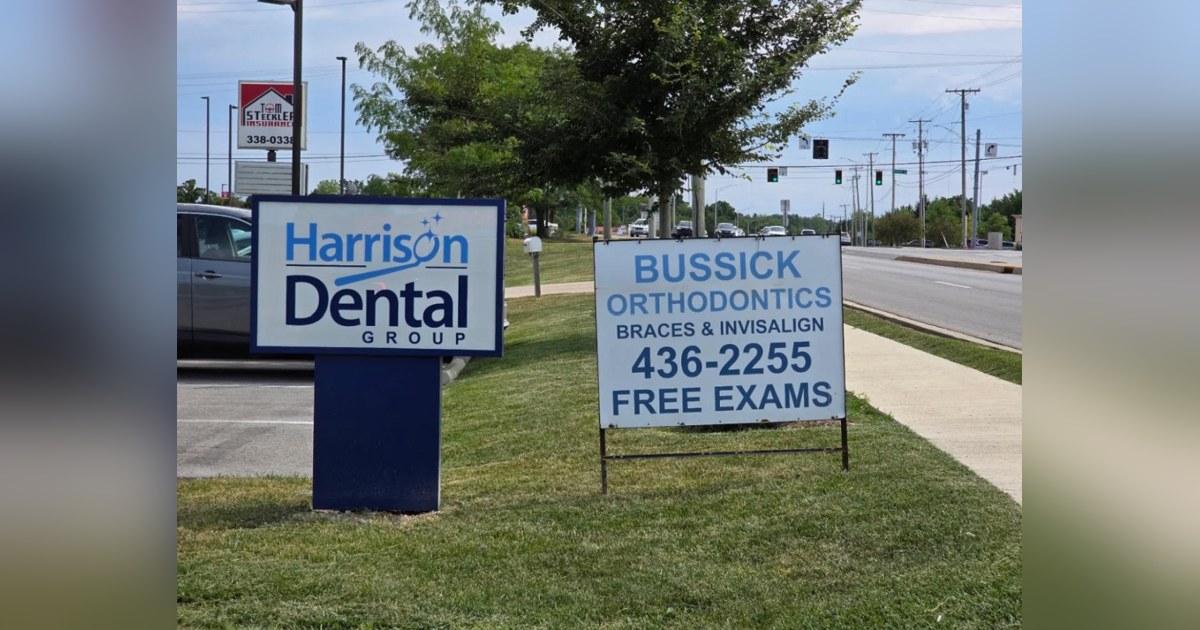
Bussick Orthodontics, led by Dr. Timothy J. Bussick, is helping Fort Wayne families understand where orthodontic care fits into treatment for cleft lip and palate, offering a clearer picture of what to expect from the orthodontist's role at each stage of a child's care. The practice serves patients from two Fort Wayne, Indiana locations, at 7207 Engle Road and 10506 Coldwater Rd.
Children born with cleft lip or palate typically receive care from a coordinated group of specialists that may include surgeons, pediatric dentists, speech therapists, and other providers. The orthodontist is one member of that broader team, with a defined role that focuses on jaw growth and tooth alignment rather than the surgical repair itself. For families pursuing cleft palate treatment in Fort Wayne, Indiana, understanding that distinction matters. In general, the orthodontist works alongside the surgical and dental team, not independently of it. Decisions about when to begin orthodontic treatment, what type of appliances to use, and how long treatment will last are made in coordination with the rest of the child's care providers.
Because cleft conditions affect the structure of the jaw and the way teeth develop, orthodontic involvement can begin earlier than it would for a child without these concerns. The jaw and the bones surrounding the cleft site continue to develop through childhood and adolescence, which means the orthodontist's work may span several years and take different forms at different ages. As the child grows, additional phases of treatment focus on guiding how permanent teeth come in and how the jaws align with each other. Braces may be recommended before or after bone graft surgery, depending on what the care team determines is appropriate for that child's specific situation. For families looking into cleft lip treatment in Fort Wayne, Indiana, this phased approach is a central part of what the orthodontist contributes.
Orthodontic visits for a child with a cleft condition follow many of the same patterns as standard orthodontic appointments, though the treatment plan itself is tailored to the child's anatomy and surgical history. Parents can expect the orthodontist to monitor tooth eruption, jaw development, and the alignment of the bite at regular intervals. Parents play an active role in these appointments, and questions about timing, about how orthodontic treatment connects to upcoming or past surgeries, and about what changes to watch for at home are all part of the conversation. The goal is to keep families informed so they can participate in decisions alongside the rest of the care team.
Dr. Bussick was a founding member of the Kids First Clinic in Fort Wayne, has practiced since 1997, and is a past president of the Indiana Association of Orthodontists. For any family seeking an orthodontist in Fort Wayne who works with children receiving cleft-related care, Bussick Orthodontics offers a free consultation at either office, and the practice works with children at various stages of cleft treatment, from early monitoring through the completion of comprehensive orthodontic care coordinated with the child's full care team. More information is available through Bussick Orthodontics.
The clarification carries practical weight for Texas employers, insurers, and workforce planners as well. Cleft care is a years-long, multi-provider endeavor, and when families understand how each specialist contributes, they are better positioned to keep appointments, coordinate schedules around work obligations, and avoid gaps in treatment that can drive up long-term costs. For Texas businesses that sponsor family health benefits, clearer patient education in specialty care translates into more predictable utilization and fewer costly interventions down the line.