
Blossoms Montessori School Reviews Highlight Parent Communication and Child Development Outcomes in Spring, Texas
Found this article helpful?
Share it with your network and spread the knowledge!
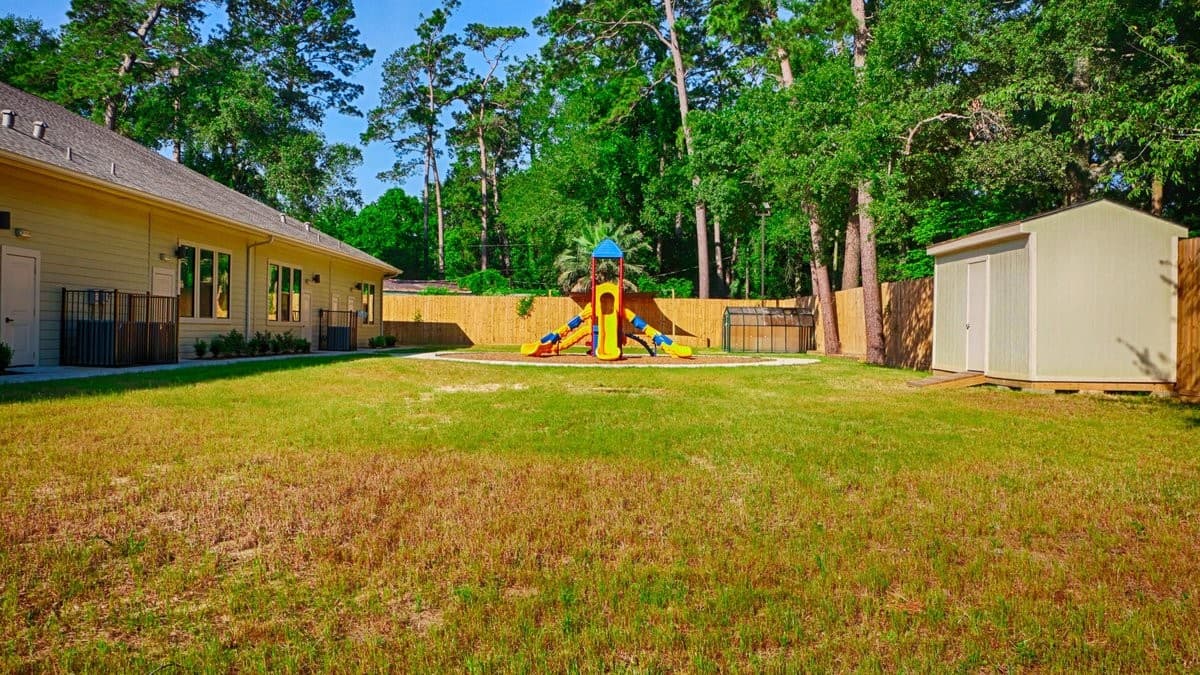
Blossoms Montessori School in Spring, Texas, has become a notable presence in the local early childhood education landscape, as evidenced by a growing volume of parent feedback across its Nido, Toddler, and Primary programs. The reviews, which span children aged 1 to 7, consistently highlight teacher attentiveness, organized campus environments, and observable child development outcomes, painting a picture of a Montessori institution that is meeting the expectations of families seeking an alternative to conventional daycare and preschool settings.
One of the most recurring themes in the feedback is the responsiveness of classroom teachers and the clarity of staff-to-parent communication. Parents describe teachers who show familiarity with individual children, rather than applying a one-size-fits-all approach. This individualized attention is a cornerstone of the Montessori method, where guides observe each child's pace and readiness before introducing new materials. Reviews from Spring families indicate that this approach is being implemented effectively, with teachers able to provide detailed, specific observations about each child's progress. This level of communication is particularly significant for parents comparing Montessori programs against traditional daycare options, where the depth and frequency of parent-teacher contact can vary considerably.
The campus environment itself is another element that parents frequently mention. Classrooms are described as reflecting the Montessori principle of a "prepared environment," with materials that are organized, accessible, and matched to the developmental stages of the children using them. For families transitioning from conventional preschool or childcare arrangements, the physical organization of the classroom is often cited as a distinct difference. The Nido program, which serves the youngest children, draws particular praise from parents of infants and very young toddlers, who focus on caregiver attentiveness and the calm structure of daily routines—qualities that are critical for families evaluating childcare options for children under two.
Communication between the school and families is another area that receives consistent positive feedback. Parents reference specific, consistent communication rather than broad general updates, with staff interactions described as direct and detailed. This transparency is especially relevant in the Primary program, which serves children up to age 7, where reviews suggest that academic and social development are addressed alongside the practical day-to-day care elements families expect from any childcare arrangement.
The impact of the Montessori method on child development outcomes is a central theme across all programs. Parents in the Toddler and Primary tracks describe children building confidence in self-directed tasks, expanding vocabulary, and demonstrating sustained focus—outcomes that are directly connected to the method's emphasis on uninterrupted work periods and child-led exploration. The model asks children to engage with materials repeatedly until mastery is achieved, rather than advancing through a fixed curriculum on a teacher-determined schedule. Reviews from Blossoms Montessori School parents suggest this approach is producing observable results, which is a key consideration for families evaluating the long-term benefits of a Montessori education.
For the Spring, Texas community, the positive reviews of Blossoms Montessori School underscore the growing demand for early childhood education options that prioritize individualized learning and strong parent-school partnerships. As more families seek alternatives to traditional childcare, the school's emphasis on prepared environments, child-led learning, and clear communication positions it as a significant contributor to the local educational landscape. The school's commitment to the Montessori method, as reflected in parent feedback, offers a model for how early childhood programs can foster both academic and social development in young children.