

Babston Oral Surgery Expands Dental Implant Education for Mobile, AL Patients
Found this article helpful?
Share it with your network and spread the knowledge!
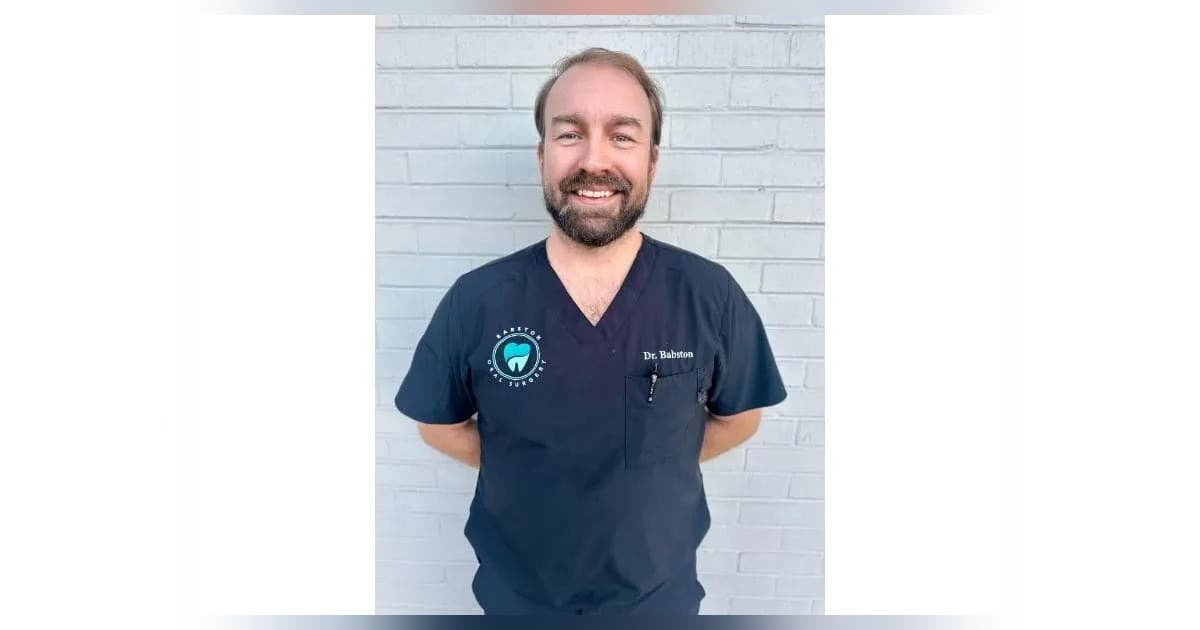
Babston Oral Surgery, an oral and maxillofacial surgery practice at 100 S University Blvd. Suite A in Mobile, Alabama, has expanded its patient education on how dental implants work, detailing the differences between single-tooth replacement and full-arch reconstruction for adults in Mobile and the surrounding Gulf Coast area. The practice is led by Dr. Michael W. Babston, DMD, MD, an oral and maxillofacial surgeon.
The expanded guidance matters because dental implant decisions carry significant financial and health implications for patients, and the practice is drawing a clear line between two distinct treatment paths. A single dental implant is designed to replace one missing tooth. A titanium or zirconia post is placed into the jawbone, and once healing is complete, a crown is attached on top. The result functions and is maintained much like a natural tooth.
For patients who have lost most or all of their teeth, the All-on-4 approach offers a different pathway. Full-mouth dental implants in Mobile, AL using the All-on-4 technique involve placing four implants in the jaw at specific angles to support an entire arch of teeth. The angled placement is designed to take advantage of available bone, which makes the procedure an option even for patients who have experienced some degree of bone loss. This approach addresses an entire upper or lower arch, or both, rather than replacing teeth individually.
One aspect of the All-on-4 process that patients frequently ask about is the timeline. In many cases, same-day dental implants are possible, meaning a temporary set of teeth can be attached to the implants during the same appointment as the surgery. This allows patients to leave the practice with functional teeth rather than waiting through the entire healing period before having any teeth in place. Same-day placement is not universal, however. Each patient's situation is evaluated individually, and the availability of a same-day restoration depends on factors including the condition of the bone and the specific plan developed for that patient.
Some patients are not immediately candidates for implant placement because they do not have sufficient bone volume in the jaw to support an implant. In those cases, bone grafting is performed first. Grafting material is placed at the site where bone has been lost, and the area is given time to heal and develop adequate density before the implant procedure moves forward. This is a separate preparatory step, and the overall timeline for treatment is longer when grafting is required.
Babston Oral Surgery also addresses what patients can expect during the surgical procedure itself. For many patients, implant placement can be completed under sedation, administered by the practice's full-time Certified Registered Nurse Anesthetist. After surgery, the implants go through a biological process called osseointegration, during which the titanium posts gradually fuse with the surrounding bone tissue over a period of months. That fusion is what gives implants their stability and allows them to function as a foundation for the final restoration.
The practice's patient education is intended to give adults in Mobile a straightforward understanding of what dental implants involve before they schedule a consultation. More information about the practice is available at Babston Oral Surgery.