

Armando Personal Injury Law Investigates Fatal 7-Hydroxymitragynine and Kratom Cases in Texas
Found this article helpful?
Share it with your network and spread the knowledge!
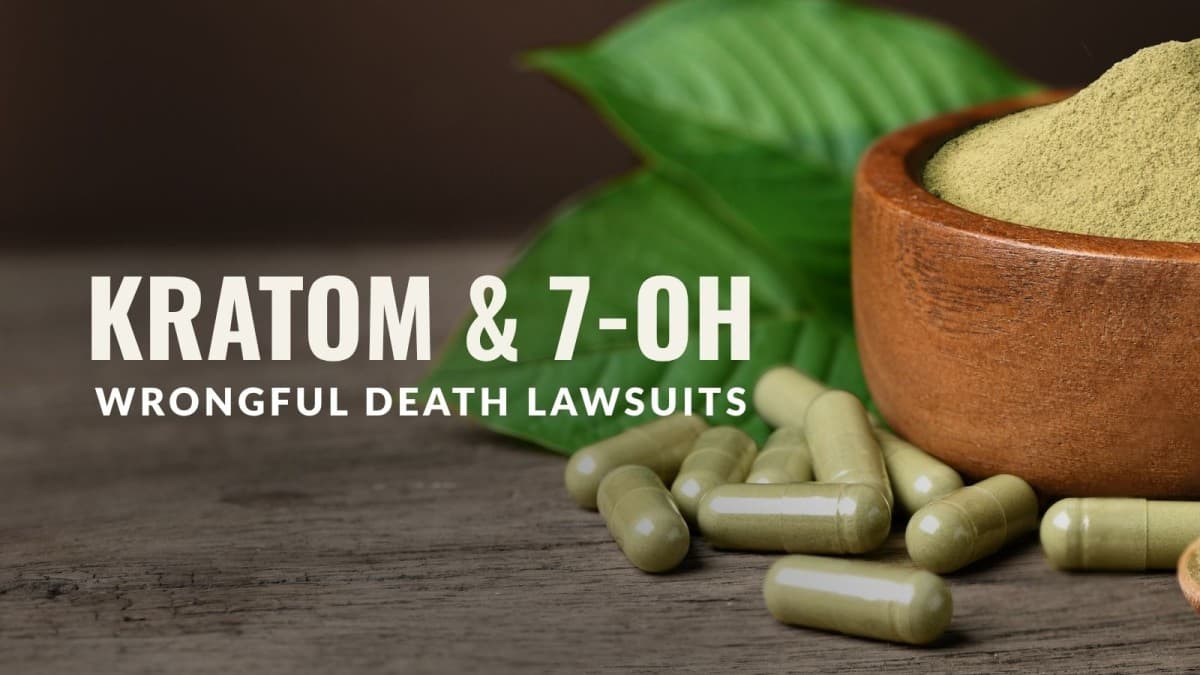
Armando Personal Injury Law has announced it is actively investigating fatal cases related to kratom and 7-hydroxymitragynine (7-OH) products, focusing on wrongful deaths that may have resulted from the use of these substances. The firm is reviewing cases involving products marketed as kratom, enhanced kratom, kratom extract, 7-OH, or similar items, including tablets, gummies, drink shots, extracts, powders, and tinctures sold online, in smoke shops, vape shops, gas stations, convenience stores, and other retail locations across Texas and the United States.
The investigation centers on whether manufacturers, distributors, wholesalers, online sellers, and retailers may bear legal responsibility for placing dangerous or misleading products into the stream of commerce. Potential issues under review include product formulation, concentration, inadequate warnings, misleading marketing, unlawful sale, failure to disclose opioid-like risks, and failure to warn consumers about possible interactions with alcohol, prescription medications, over-the-counter medications, sleep aids, allergy medication, or other substances.
“Families deserve answers when a loved one dies after using a product they believed was safe, natural, or less dangerous than it actually was,” said Attorney J. Armando Edmiston of Armando Personal Injury Law. “These are not simple supplement disputes. Fatal kratom and 7-OH cases can involve toxicology, product testing, warning-label issues, medical causation, and corporate accountability. Our goal is to help families understand what happened, preserve the evidence, and determine whether a wrongful death claim may exist.”
7-OH, also known as 7-hydroxymitragynine, has drawn growing concern from regulators due to findings that certain concentrated or enhanced products may behave differently than ordinary kratom leaf. Many of these products are marketed in consumer-friendly forms such as gummies, tablets, drink mixes, and shots, which may lead users to underestimate the associated risks. This development is particularly significant for Texas, where the kratom market has expanded rapidly, and consumers may unknowingly purchase products with higher potency and greater danger.
Armando Personal Injury Law is encouraging families to act promptly if they believe a kratom-related or 7-OH product may have contributed to a loved one’s death. Critical evidence can be lost quickly, especially when products were purchased from local stores or online sellers. The firm advises preserving the product itself (including any remaining tablets, gummies, liquids, powders, shots, extracts, or tinctures), the bottle or package, photos of the front and back of the product label, receipts and bank records, prescription medication bottles and pharmacy records, over-the-counter medication packaging, EMS and hospital records, autopsy and toxicology reports, and any text messages, emails, or witness information related to the purchase or use of the product.
This investigation underscores the potential economic and public health impact on Texas communities. As the state continues to see growth in the alternative wellness and supplement industries, the legal scrutiny of 7-OH and kratom products may influence how these goods are formulated, labeled, and sold. For Texas businesses, particularly those in the retail and distribution sectors, this case highlights the importance of due diligence in product sourcing and consumer safety disclosures. For more information, visit https://www.armandoinjurylaw.com.